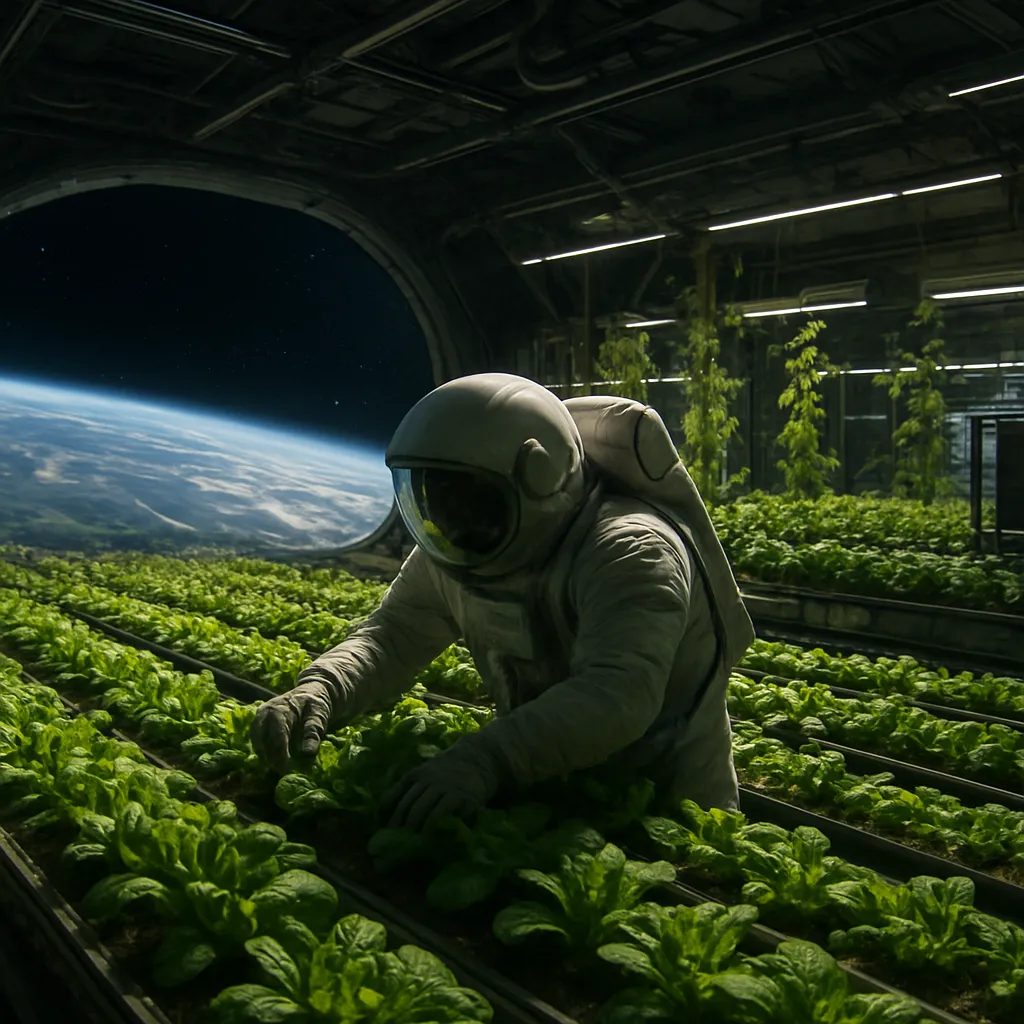
Innovations in space agriculture are redefining how we cultivate food beyond Earth’s boundaries. With the absence of microgravity influencing plant growth, researchers and engineers have developed sophisticated methods to ensure optimal conditions for crops. This article delves into the core technologies and strategies that enable effective crop monitoring in a gravity-free environment, highlighting the roles of advanced sensors, data processing, automation, and robotics in achieving reliable yields for future off-world settlements.
Precision Sensing in a Gravity-Free Environment
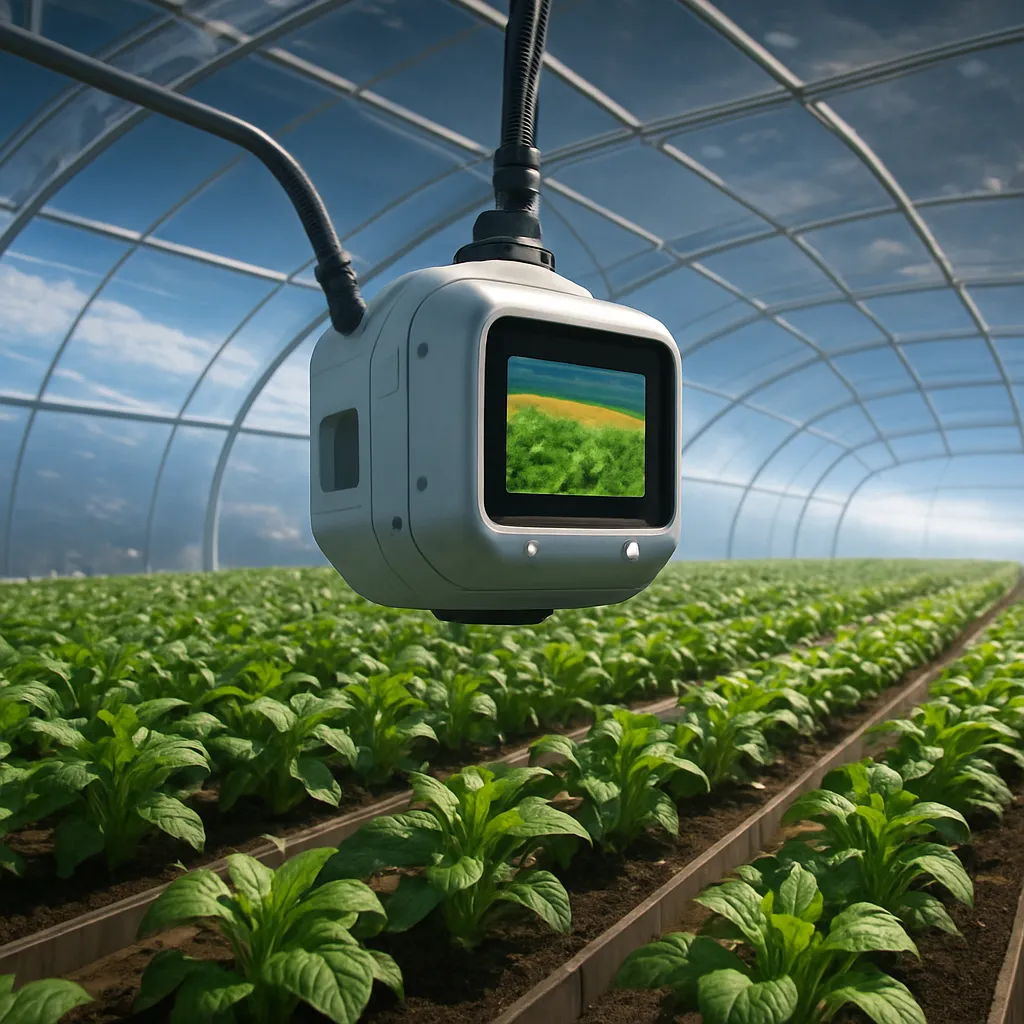
Monitoring plant health without gravity requires an array of finely tuned instruments that can detect subtle changes in physiology and morphology. From multispectral cameras to environmental probes, each device contributes critical insights into plant status.
Key Sensor Technologies
- Multispectral Cameras: Capture reflectance at specific wavelengths to assess chlorophyll content and stress indicators.
- Hyperspectral Imagers: Provide high-resolution spectral data across hundreds of bands, enabling detection of nutrient deficiencies and disease outbreaks.
hyperspectral - Lidar and 3D imaging Systems: Generate point clouds to reconstruct plant architecture, ensuring canopy volume and leaf orientation are optimal for light capture.
- Chlorophyll Fluorescence Sensors: Measure the efficiency of photosystem II, a direct proxy for photosynthetic data quality in real time.
- Environmental Chambers: Integrate temperature, humidity, CO₂, and nutrient-level probes to maintain a dynamic growth atmosphere.
Integrating Environmental Feedback
By combining these sensors into a unified network, space farms achieve closed-loop control, automatically adjusting variables such as lighting spectra, irrigation cycles, and nutrient dosing. Edge computing modules process raw metrics on-site, minimizing latency and ensuring each adjustment is timely.
Data Transmission and Advanced Analytics
With limited bandwidth and communication delays between spacecraft and Earth, transmitting large volumes of raw imagery is impractical. Hence, on-board data reduction and intelligent analytics are essential.
Edge Computing and AI-Powered Insights
- On-Board AI Models: Pre-trained neural networks identify early signs of stress or pathogen presence directly on the growth module.
- Compressed digital twin Streams: Virtual replicas of each plant simulate future growth, predicting yield outcomes under different parameter adjustments.
- Adaptive algorithms: Continuously refine irrigation schedules and light cycles based on cumulative performance, promoting resource sustainability.
Overcoming Communication Constraints
Due to signal latency, especially on missions to Mars or beyond, asynchronous telemetry is employed. Summarized health reports replace raw feeds, while critical alerts trigger prioritized data streams back to mission control. This ensures efficient use of communication channels without compromising crop management efficacy.
Robotic Interaction and Sample Collection
Manual tending is impractical in microgravity; robots must shoulder the responsibility for planting, maintenance, and harvesting. These mechanized assistants utilize sophisticated manipulators and grippers to interact with delicate plant structures.
Sterile Handling and Precision Manipulation
- Robotic Arms with Force Feedback: Maintain gentle contact during seed insertion and leaf pruning, avoiding tissue damage.
- End Effector Designs: Custom tools for tasks like pollination, de-thorning, and fruit picking.
end effector - Automated Sampling Units: Extract sap and biomass samples for chemical analysis, ensuring nutrient levels remain balanced.
- Mobile Drones: Navigate cultivation chambers to capture high-resolution images from multiple angles, supporting volumetric assessments.
Collaborative Human-Robot Interfaces
Astronauts and researchers can remotely program and monitor robotic routines via intuitive dashboards. Voice commands or gesture-based controls allow on-the-fly adjustments, reducing the need for extensive manual inputs and enhancing operational automation.
Optimizing Growth Systems Without Gravity
Gravity-independent farming demands innovative growth architectures. Traditional soil beds give way to hydroponic racks, aeroponic mists, and closed-loop photobioreactor arrays.
Hydroponic and Aeroponic Solutions
- Vertical Hydroponics: Plants grow on stacked trays, with nutrient solution circulated via pumps and capillary wicks.
- Aeroponics: Roots suspended in air are periodically misted with a nutrient-rich solution, maximizing oxygen exposure and uptake efficiency.
- Membrane Interfaces: Semi-permeable films separate roots from liquids, preventing clogging and facilitating easy root inspections.
Advanced Nutrient Delivery
Automated mixers formulate custom nutrient blends based on real-time sensor feedback. This dynamic approach surpasses static fertilizers, reducing waste and ensuring a precisely tailored diet for each plant cohort.
Future Prospects and Scaling Space Agriculture
As missions extend to lunar bases and Martian outposts, agriculture modules must scale while maintaining reliability. Key challenges include minimizing power consumption, ensuring long-term system redundancy, and integrating renewable energy sources.
Modular Farm Units
- Plug-and-Play Growth Pods: Standardized containers allow rapid deployment and maintenance swaps in case of system failure.
- Self-Healing Materials: Bio-inspired polymers that seal microfractures in chambers, preserving sterile conditions.
- Hybrid Solar-Bioenergy Systems: Combine photovoltaic panels with microbial fuel cells powered by plant waste, achieving cyclical energy flows.
Commercial and Scientific Implications
Successful demonstration of gravity-free crop monitoring paves the way for terrestrial spin-offs, including highly efficient urban farms and remote biospheres. The synergy between robotics, imaging, and data science not only secures food production in space but also accelerates sustainable agriculture on Earth.