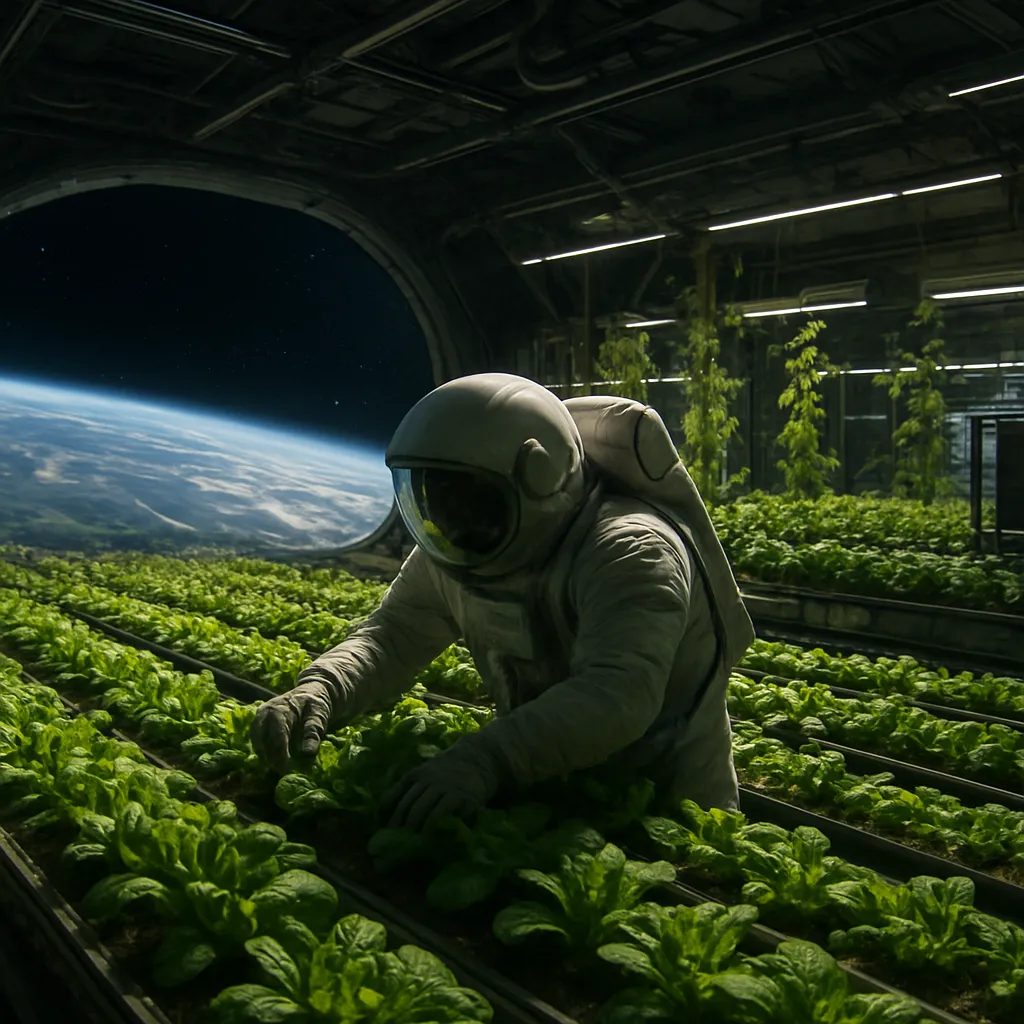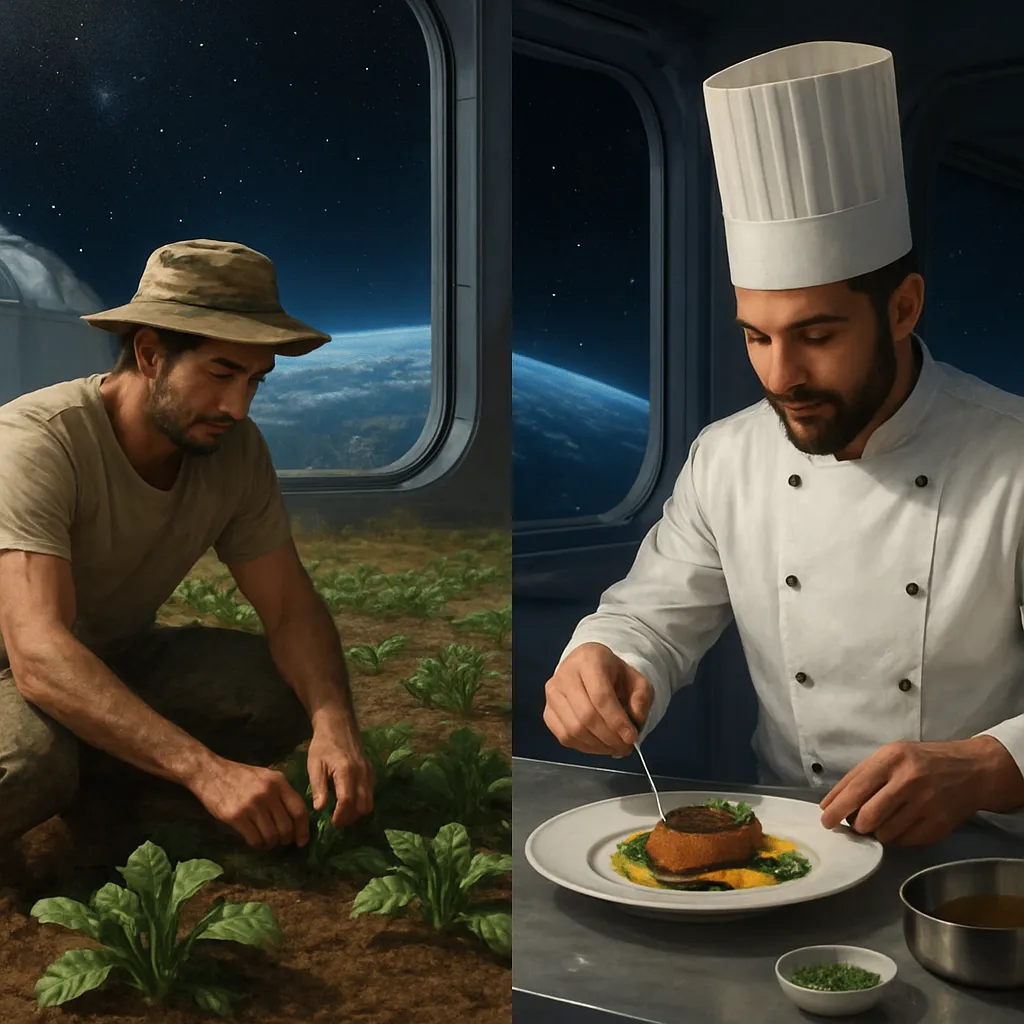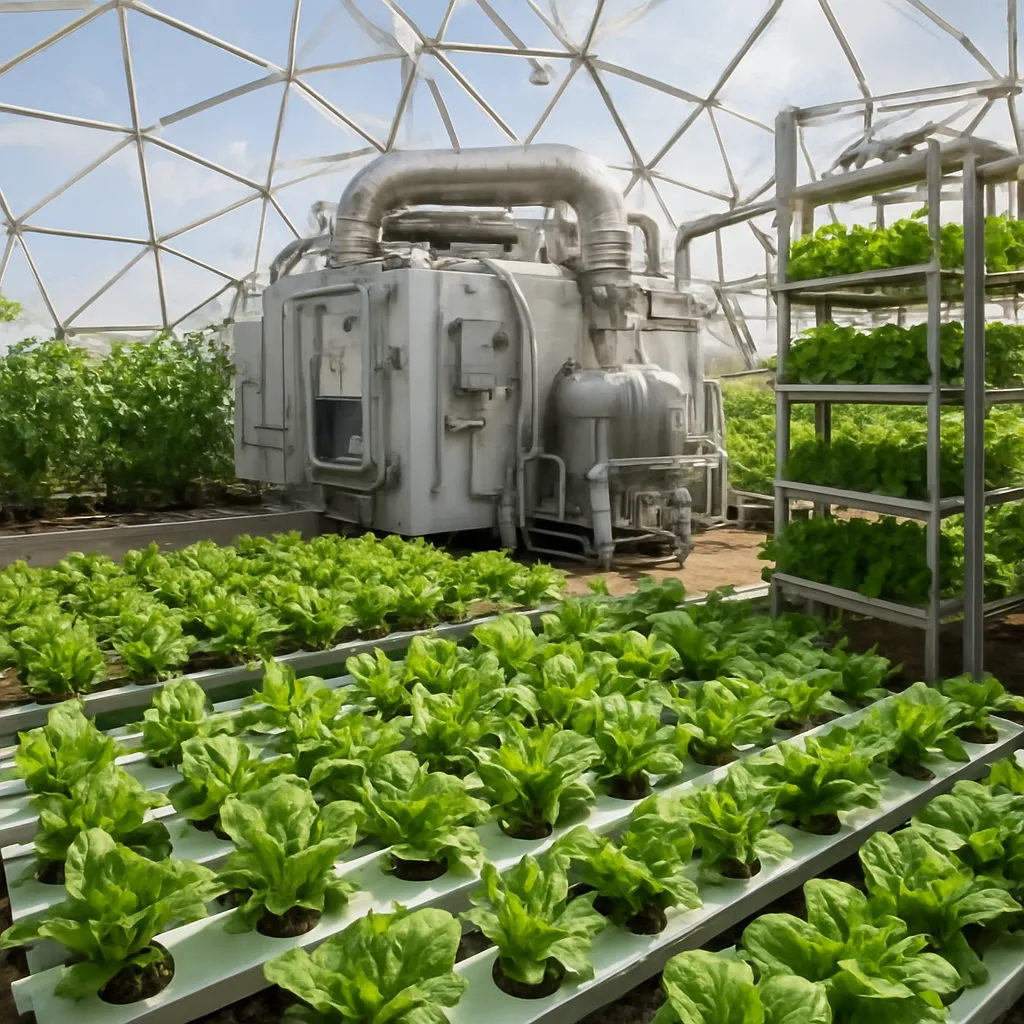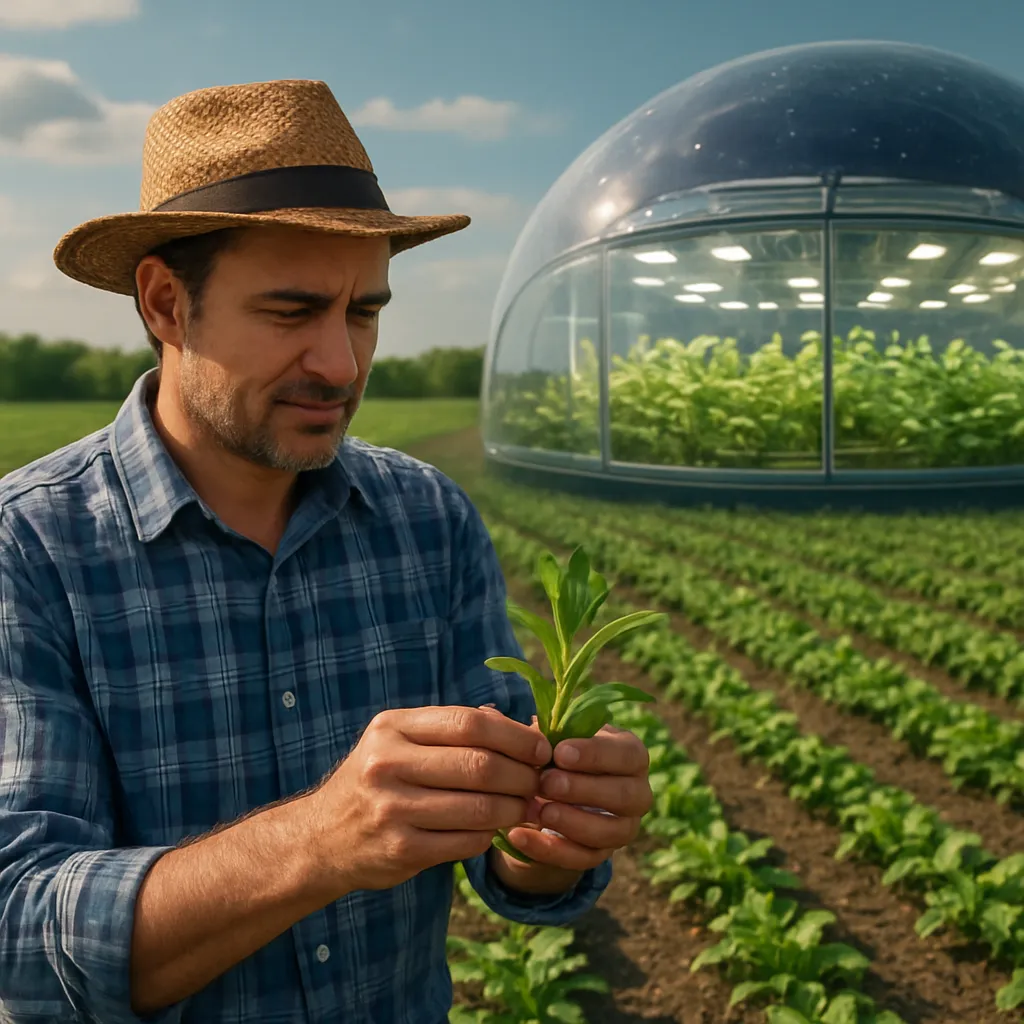
Exploring the frontier of cultivating plants beyond our planet’s atmosphere has yielded a trove of innovations that directly **benefit** traditional agriculture on Earth. By simulating extreme conditions and optimizing resource loops in space habitats, researchers have unlocked tools and techniques that help farmers increase yields, conserve water, and improve crop **resilience**. This article delves into several key areas where space-based agricultural research is driving **sustainability** and productivity back home.
Innovative Soil-less Cultivation Technologies
Experiments aboard space stations rely heavily on hydroponics and aeroponics systems to grow vegetables and herbs without conventional soil. In microgravity, plant roots behave differently: they float, curl, and struggle to orient. Engineers overcame this by developing specialized growth substrates and nutrient delivery methods that ensure uniform water and mineral uptake. These breakthroughs have been adapted into vertical farms and greenhouse operations on Earth, enabling growers to produce crops year-round on limited land.
- Hydroponics: Nutrient solutions replace soil, reducing pest pressure and enabling higher planting density.
- Aeroponics: Fine mist of nutrients boosts oxygen availability to roots, accelerating growth rates.
- Space-tested growth media: Lightweight, sterile substrates support consistent root anchoring and moisture control.
Controlled Environments for Climate Resilience
Space agriculture facilities must maintain tight control over temperature, humidity, and light to optimize photosynthesis. Advanced environmental control systems developed for spacecraft greenhouses now help terrestrial farmers withstand erratic weather patterns and extreme events. By integrating real-time climate sensors and predictive algorithms, growers can adjust shading, irrigation, and heating to protect sensitive crops from heatwaves, cold snaps, or drought spells.
Key Components
- Distributed sensor networks for precise monitoring of air and soil conditions.
- Automated climate regulation units that balance CO₂ enrichment with energy efficiency.
- Fail-safe power backups inspired by astronaut life-support redundancies.
These tools foster greater resilience in food production systems and reduce losses from unexpected weather shifts.
Resource-efficient Water and Nutrient Recycling
Water is a precious commodity in space, so research has focused on closed-loop recycling: reclaiming most of the moisture transpired by plants and exhaled by humans. State-of-the-art filtration, distillation, and microbial treatment processes recover water at over 90% efficiency. On Earth, these technologies enable farms in arid regions to minimize withdrawals from rivers and aquifers, contributing to long-term watershed health.
Looped Systems in Action
- Greywater treatment modules adapted for greenhouse runoff, reducing pollution.
- Root-zone nutrient recovery tanks that capture leachate and feed it back at optimized concentrations.
- Bioregenerative waste processors incorporating plant-microbe partnerships to regenerate soil fertility.
Integration of these closed systems promotes **sustainability** by slashing fertilizer use and stabilizing yields under resource constraints.
Data-driven Precision Farming
Space missions rely on automated systems and remote monitoring to oversee plant growth when crew time is limited. High-resolution cameras, multispectral imagers, and environmental sensors generate vast data streams. Machine learning models interpret these data to detect stress, tailor nutrient mixes, and optimize lighting schedules. Back on Earth, precision agriculture tools borrowed from aerospace research help farmers manage large fields with pinpoint accuracy.
- Unmanned aerial vehicles (UAVs) equipped with spectral sensors identify pest outbreaks in real time.
- Variable-rate irrigation systems apply water only where needed, informed by soil moisture maps.
- Predictive analytics forecast yield outcomes and guide planting density decisions.
Such tech-driven approaches enhance **precision** and cut operational costs while reducing environmental impact.
Biotechnology and Crop Improvement
Spaceflight exposes plants to unique stressors like cosmic radiation and prolonged low-gravity conditions, unveiling genes and pathways that underpin stress tolerance. By studying mutants that thrive in these harsh settings, scientists have pinpointed traits for improved root architecture, enhanced nutrient uptake, and robust immune responses. Modern breeding programs now incorporate space-derived genetic insights to develop varieties suited for saline soils, variable climates, and limited-input agriculture.
Research Highlights
- Identification of radiation-resistant gene variants that also confer drought tolerance.
- Modulation of photosynthesis-related enzymes for higher efficiency under diffuse light.
- Use of CRISPR-based tools to replicate beneficial space-adapted mutations in commercial crops.
This fusion of biotechnology and plant science accelerates the creation of next-generation cultivars with fortified disease resistance and improved nutritional quality.
Automation and Robotics Translated to Earth Farms
Spacefarers depend on robotic assistants to manage routine horticultural tasks when crew schedules are overbooked. Autonomous arms prune foliage, harvest vegetables, and even pollinate flowers. These designs have inspired terrestrial farming robots capable of 24/7 operation, reducing labor shortages and enhancing **automation** of repetitive chores. As a result, growers can allocate human effort toward value-added activities like marketing and quality control rather than monotonous fieldwork.
- Robotic harvesters with gentle grasping sensors for delicate fruit.
- Self-driving tractors guided by onboard lidar and satellite positioning.
- Modular maintenance drones performing targeted inspections along greenhouse ribs.
Synergies for Sustainable Food Security
The cumulative impact of space agriculture research is helping to build **sustainable** farming paradigms. Techniques forged to support astronauts on long-duration missions are proving indispensable for feeding a growing Earth population amid dwindling natural resources. By transferring these advanced systems to ground-based operations, we unlock new levels of productivity, resource conservation, and climate adaptation. The cross-pollination between orbit and farmland ensures that agricultural innovation continues to ascend toward a resilient and nourished future.