Effective management of carbon dioxide plays a pivotal role in optimizing crop productivity, enhancing resource use efficiency, and mitigating environmental impacts. By exploring the interplay between atmospheric CO2 levels, plant physiology, and modern agricultural practices, farmers and researchers can unlock pathways toward higher yields and greater sustainability. This article delves into the scientific principles, technological innovations, and socioeconomic factors shaping the role of carbon dioxide management in contemporary crop growth.
Understanding Carbon Dioxide and Photosynthesis
The process of photosynthesis underpins plant growth, converting light energy, water, and carbon dioxide into sugars and oxygen. Within chloroplasts, the enzyme RuBisCO catalyzes the fixation of CO2 in the Calvin cycle. Several factors influence this reaction:
- Stomatal conductance: the rate at which CO2 enters leaves through stomata, balanced against water loss via transpiration.
- Light intensity and spectrum: determining the energy available for electron transport.
- Temperature: affecting enzyme kinetics and membrane fluidity.
- Nutrient availability: especially nitrogen and phosphorus, critical for chlorophyll formation and energy transfer molecules (ATP, NADPH).
When atmospheric CO2 concentrations rise, many C3 plants exhibit a phenomenon known as the CO2 fertilization effect. Increased CO2 can enhance carbon assimilation, leading to greater biomass accumulation. However, this response can plateau if other resources become limiting. For instance, inadequate water or nutrients can offset the potential gains from elevated CO2.
Precision Technologies for Managing Atmospheric CO2
Modern agriculture increasingly relies on precise control of greenhouse environments and field-level interventions. Key approaches include:
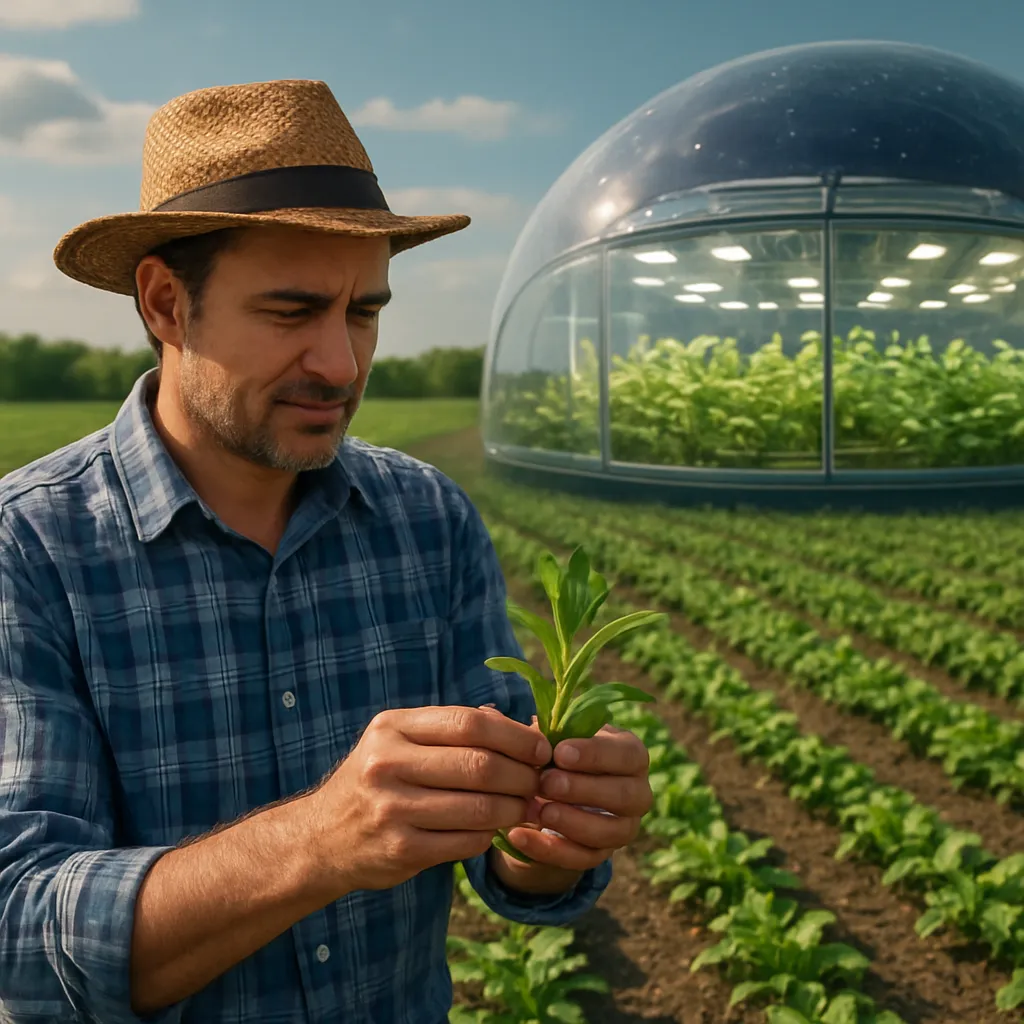
- Greenhouse enrichment: injecting CO2 to maintain optimal concentrations (often 800–1,000 ppm) during critical growth stages of high-value crops such as tomatoes, cucumbers, and peppers.
- Bioreactors and photobioreactors: cultivating microalgae that sequester CO2 and produce biomass for biofertilizers or biostimulants.
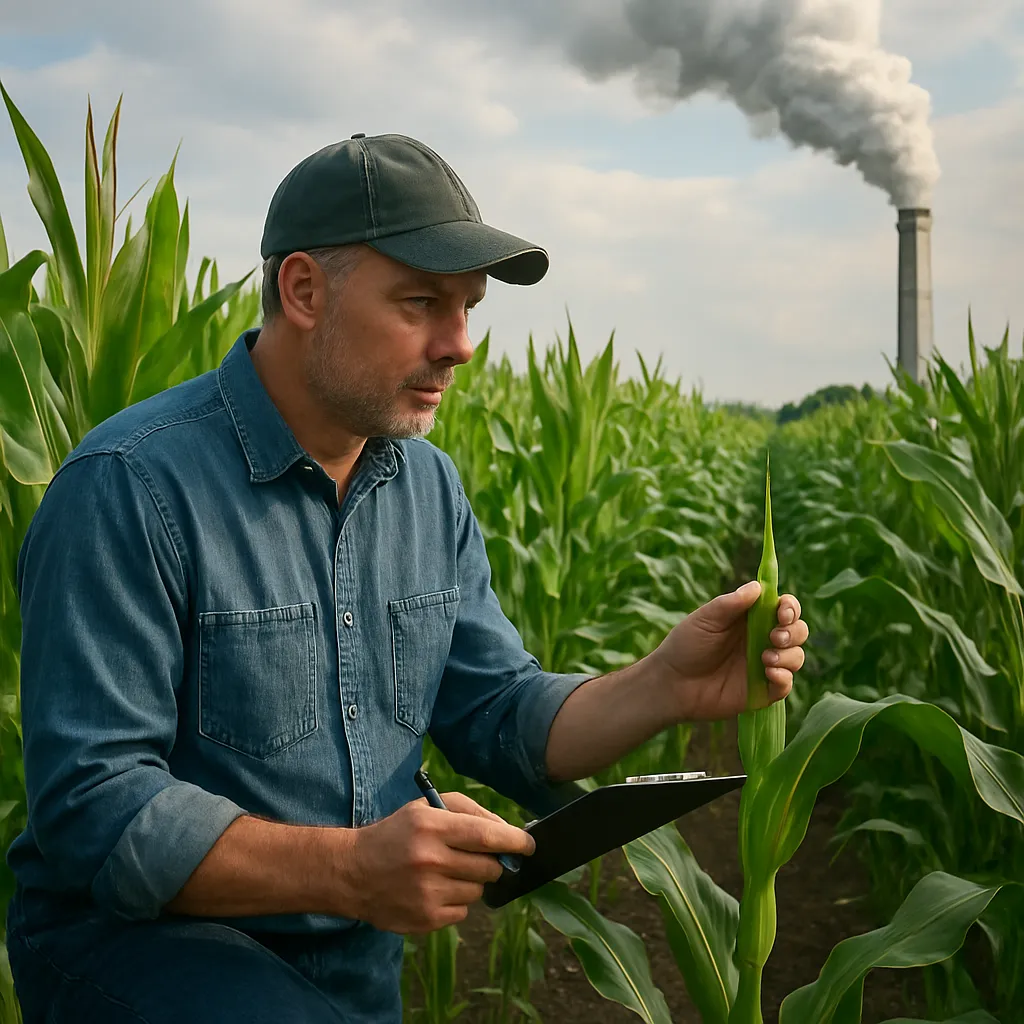
- Carbon capture and utilization (CCU): integrating on-site capture systems that divert flue gases from combustion processes directly into growth chambers.
- Field-level release systems: employing slow-release CO2 granules or mobile towers to boost concentrations in open or semi-protected cropping systems.
Adopting precision agriculture platforms, including remote sensing and real-time monitoring, allows agronomists to fine-tune CO2 delivery. Sensors measuring leaf area index, chlorophyll fluorescence, and gas exchange provide data-driven insights into crop status. Coupled with machine learning algorithms, these tools predict optimal dosing schedules and identify when CO2 enrichment yields the greatest returns.
Physiological and Yield Responses to CO2 Management
Plants respond to elevated CO2 through both direct and indirect physiological changes. Direct effects include:
- Enhanced carboxylation efficiency in the Calvin cycle.
- Reduced photorespiration in C3 crops, leading to improved water-use efficiency.
- Altered stomatal aperture dynamics, influencing transpiration and microclimate humidity.
Indirect effects manifest as changes in canopy structure, root architecture, and nutrient uptake patterns. Under controlled CO2 enrichment:
- Leaf area expansion can increase, capturing more light but potentially shading lower canopy layers.
- Root systems may proliferate, improving nutrient uptake of water-soluble minerals but also demanding more soil resources.
- Secondary metabolite profiles can shift, affecting crop quality traits such as flavor, texture, and pest resistance.
Field trials have documented yield increases of 10–25% in key C3 cereals (e.g., wheat, rice) and oilseeds when atmospheric CO2 is elevated by 100–200 ppm under well-managed conditions. However, these gains are contingent on balanced fertilization regimes and irrigation scheduling.
Environmental and Economic Impacts
While CO2 enrichment offers agronomic benefits, its broader impacts warrant examination. Positives include:
- Reduction in greenhouse gas emissions when biomass yields increase per unit of fossil-fuel energy input.
- Potential for carbon sequestration in soil through enhanced root turnover and organic matter accumulation.
- Creation of circular economies via integration of CCU and renewable energy-powered enrichment systems.
Conversely, challenges and risks encompass:
- Operational costs of CO2 generation, storage, and distribution in greenhouse setups.
- Energy footprints tied to compression and pumping of gas streams.
- Regulatory hurdles related to chemical usage, emissions permits, and food safety standards.
- Risk of diminishing returns when environmental conditions or management practices fail to keep pace with CO2-induced growth potential.
Economically, return on investment depends on crop value, local energy prices, and scale of operation. High-value horticultural produce often justifies the premium for managed CO2, whereas broad-acre field crops may require integration with carbon markets or subsidy frameworks to remain viable.
Challenges and Future Directions
To realize the full potential of CO2 management in agriculture, research and innovation must address several fronts:
- Crop breeding: developing varieties with optimized responses to elevated CO2, including improved sink strength and nutrient use efficiency.
- Advanced sensor networks: deploying cost-effective gas analyzers and plant physiological monitors at field scale.
- Integration with renewable energy systems: coupling solar, wind, or bioenergy to power CO2 capture and enrichment.
- Life-cycle assessments: quantifying net environmental benefits or trade-offs across production, processing, and distribution stages.
- Policy frameworks: incentivizing sustainable CO2 management through carbon credits, climate-smart agriculture programs, and public-private partnerships.
Scaling precision CO2 management requires interdisciplinary collaboration among plant physiologists, engineers, economists, and policymakers. By harnessing data-driven strategies and emerging technologies, the agricultural sector can improve crop resilience, enhance resource efficiency, and contribute to global climate goals without compromising productivity.