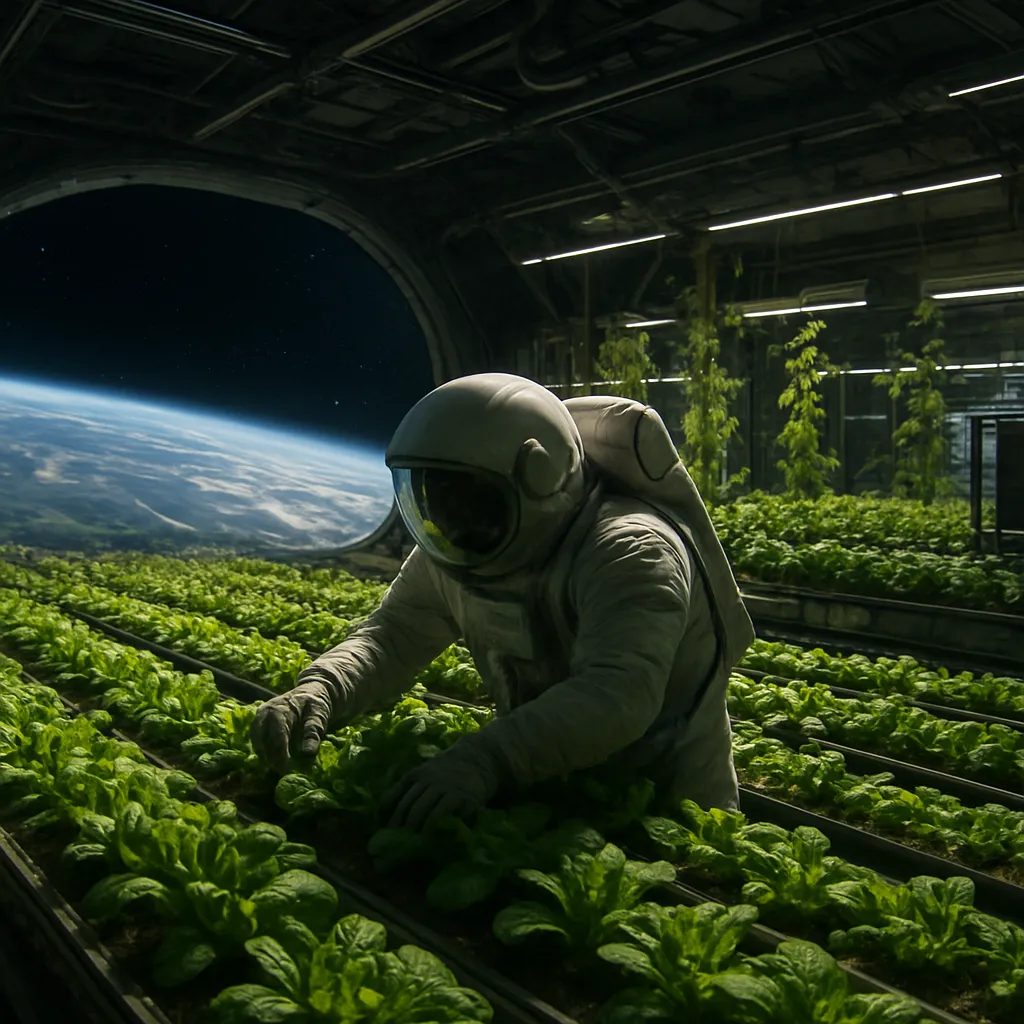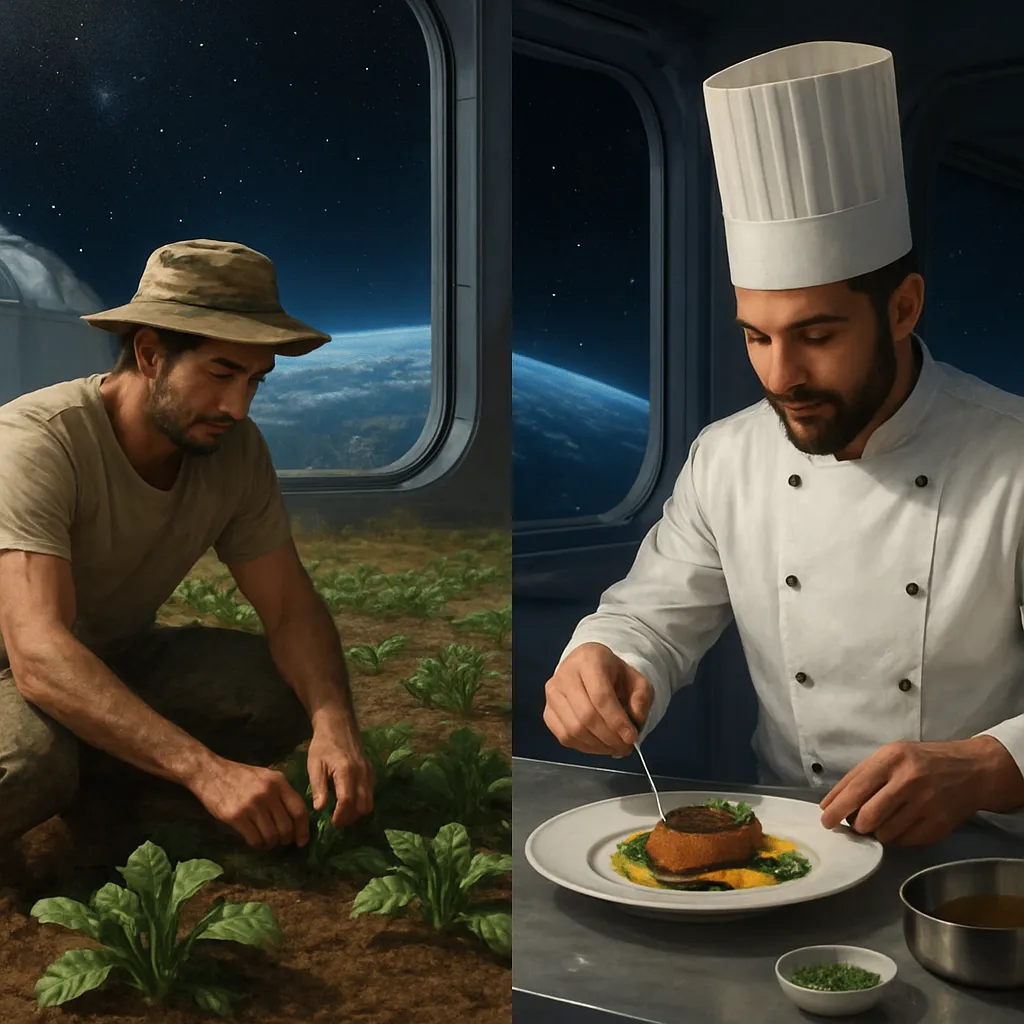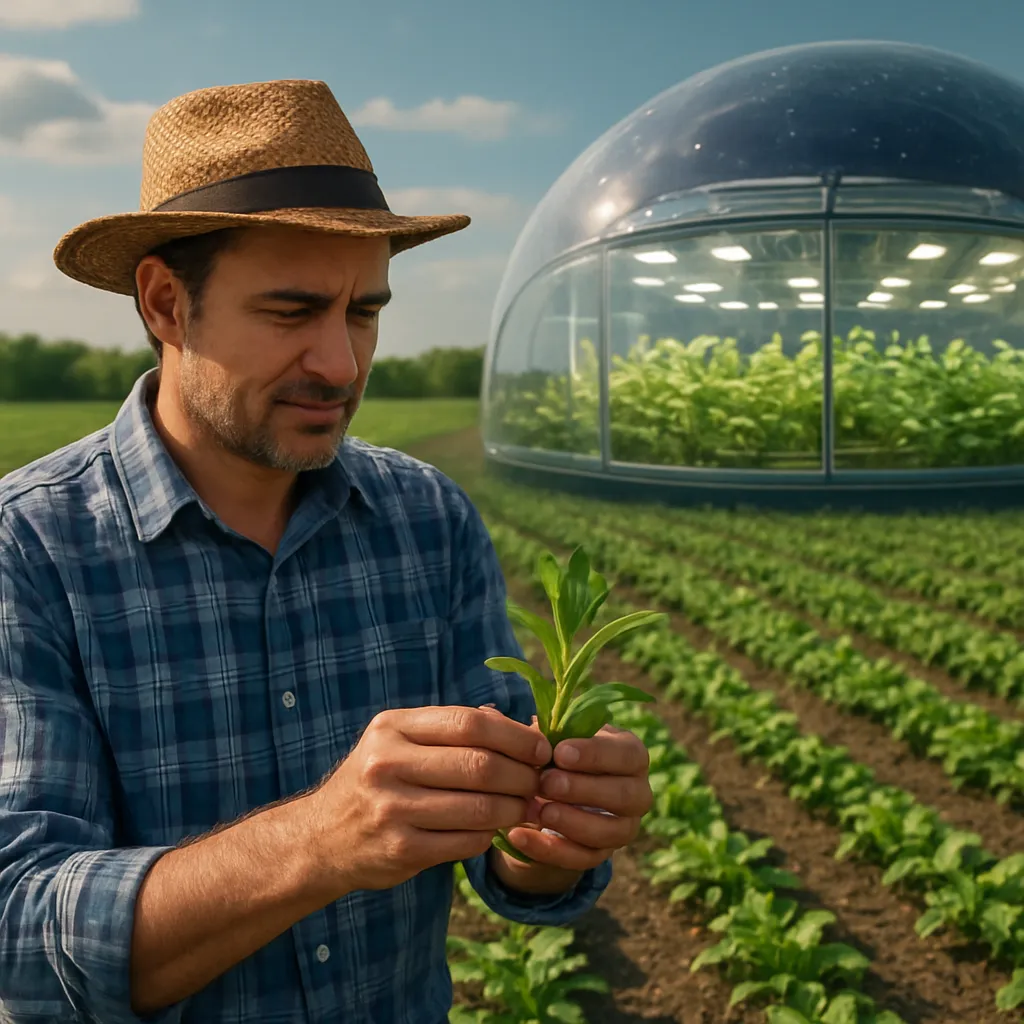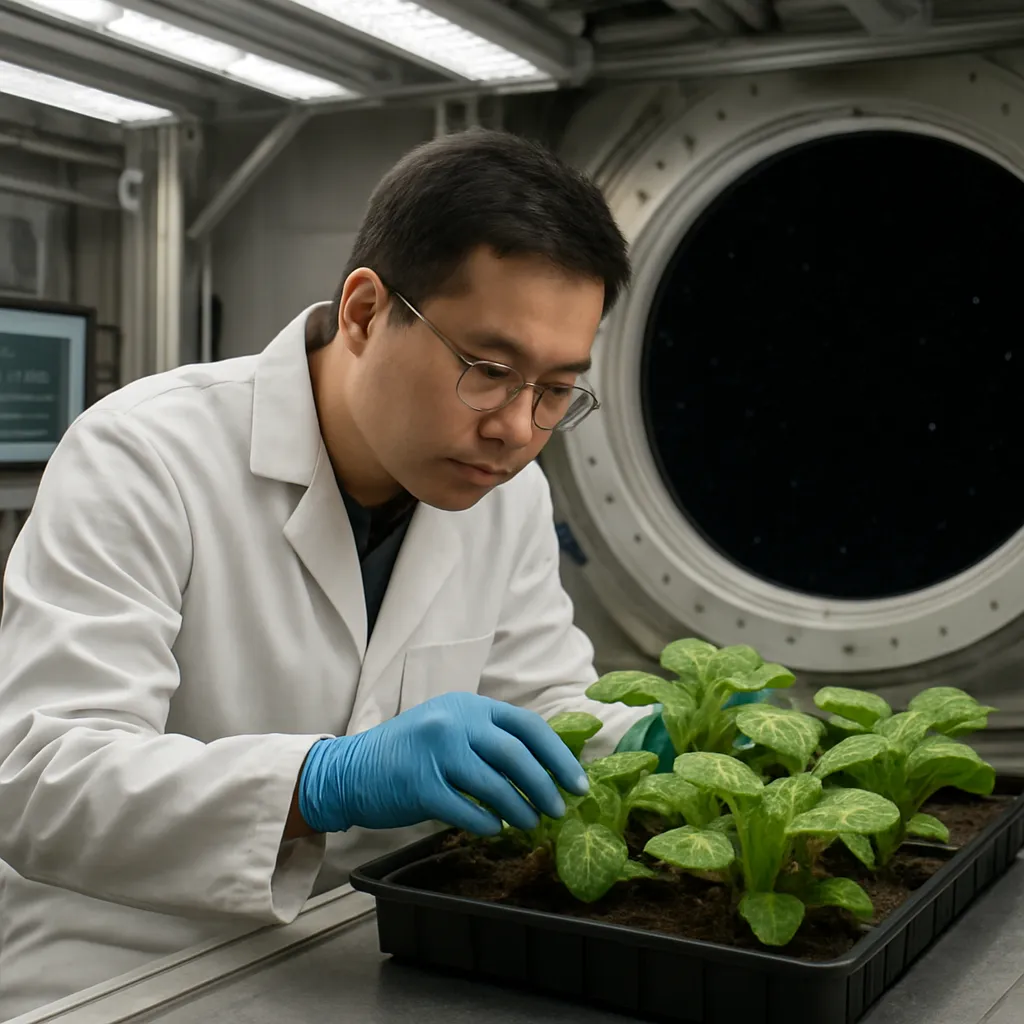
The endeavor to cultivate plants beyond Earth’s atmosphere has ushered in a new era of agriculture research, challenging scientists to evaluate the genetic stability of crops under the unique stresses of space. Investigations on the International Space Station and other orbital platforms have yielded valuable insights into how factors like microgravity and heightened radiation influence plant development, physiology, and long-term performance. As humanity plans for extended missions to Mars and beyond, ensuring robust, high crop yield with maintained genomic integrity becomes critical for food security, crew health, and mission success.
Genomic Impacts of the Space Environment
Exposure to cosmic rays, solar particles, and fluctuating gravitational forces presents a landscape vastly different from terrestrial breeding stations. Research reveals that in microgravity, the usual sedimentation of organelles and directional growth responses are altered, which can lead to shifts in gene expression profiles. Meanwhile, space-based radiation imposes a constant threat of DNA damage, including double-strand breaks, base modifications, and chromosomal aberrations.
Studies of Arabidopsis thaliana and various crop species grown over multiple generations in low-Earth orbit demonstrate that while some level of mutation is inevitable, the overall genetic stability remains remarkably intact when compared to ground controls. Key observations include:
- Comparable rates of point mutations after three successive generations on the ISS.
- Minimal increase in large-scale chromosomal rearrangements.
- No significant deviation in gene copy number for photosynthesis-related genes.
However, subtle epigenetic alterations, such as shifts in DNA methylation patterns and histone modifications, suggest that plants adapt their regulatory networks to offset environmental stressors. Functional assays indicate that these changes are often reversible upon return to Earth’s gravity, pointing to a dynamic equilibrium between stress-induced plasticity and restoration of ancestral gene expression programs.
Molecular Mechanisms Ensuring Genetic Integrity
Plants possess a suite of DNA repair pathways and protective mechanisms that underpin their resilience in fluctuating conditions. In the space context, upregulation of genes involved in base excision repair (BER), nucleotide excision repair (NER), and homologous recombination (HR) has been documented. Furthermore, antioxidant systems, including increased production of flavonoids and carotenoids, mitigate oxidative damage triggered by high-energy particles.
DNA Repair Pathways Activation
Comparative transcriptomic analyses reveal that space-grown specimens exhibit elevated transcription of:
- RAD51 and RAD52 homologs, facilitating strand invasion and accurate repair of double-strand breaks.
- UVRABC endonuclease components, enhancing excision of bulky adducts.
- OGG1 glycosylase, targeting oxidized guanine bases created by ionizing radiation.
These molecular responses translate to an effective surveillance network capable of recognizing and repairing lesions before they propagate into deleterious mutations.
Protective Metabolite Accumulation
In addition to genetic repair, plants leverage secondary metabolites to buffer against environmental stress. Elevated synthesis of anthocyanins and polyphenols acts as an internal sunscreen, reducing the penetration depth of harmful UV and X-ray wavelengths. This biochemical shield, coupled with structural adaptations—such as thickened cuticles and reinforced cell walls—contributes to preserving cellular homeostasis under prolonged exposure to the space-grown environment.
Implications for Future Space Agriculture Missions
Long-duration missions to Mars, lunar habitats, or deep-space outposts hinge upon reliable in-situ food production systems. The demonstration of sustained crop yield across multiple generations in orbit underscores the feasibility of regenerative life support loops. Key operational considerations include:
- Selection of crop species with innate high tolerance to cosmic radiation and microgravity.
- Integration of real-time genetic monitoring tools, such as portable sequencers, to track emerging mutations.
- Implementation of controlled lighting, shielding, and atmospheric regulation to minimize external stressors.
By leveraging insights into plant sustainability and adaptation, mission planners can optimize growth chambers that incorporate modular shielding panels, programmable LED spectra, and automated phenotyping systems. Such designs aim to reduce crew workload while maximizing resource efficiency, ensuring that each planting cycle delivers consistent nutritional output without compromising the resilience of plant lineages.
Emerging Biotechnology Approaches
To further bolster genetic stability, researchers are exploring advanced biotechnology strategies, including CRISPR-based genome editing, synthetic symbioses with beneficial microbes, and epigenome engineering. By precisely targeting stress-response pathways, it is possible to create plant varieties with enhanced DNA repair capacity or tailored metabolite profiles optimized for the space environment.
- Genome editing of oxidative stress regulators to elevate baseline antioxidant levels.
- Insertion of radioprotective genes derived from extremophiles, such as Deinococcus radiodurans.
- Engineering root microbiomes that secrete UV-absorbing compounds, thereby offering an external protective layer.
These cutting-edge interventions promise to reduce the mutational burden on successive generations, ensuring that food crops remain genetically faithful to their parental lines. Coupled with automated gene expression monitoring, such biotechnology tools could revolutionize agricultural systems for off-world settlements.
Pathways to Sustainable Extraterrestrial Farming
As we transition from brief orbital experiments to permanent installations on the Moon and Mars, the lessons learned about long-term genetic stability will guide the construction of bioregenerative life support systems. Multidisciplinary collaborations between plant geneticists, space engineers, and mission architects will be essential for:
- Designing habitat farms that integrate radiation shielding with optimized light spectra.
- Developing closed-loop nutrient cycles leveraging crop residues and microbial consortia.
- Implementing AI-driven analytics for early detection of genetic drift or phenotypic anomalies.
In embracing these challenges, the vision of a self-sufficient, off-world agriculture network comes into sharper focus—one where each harvested tomato or head of lettuce embodies the triumph of human ingenuity and the deep understanding of plant resilience in the final frontier.