Continuous crop production relies on dependable, efficient energy solutions that support year-round growth cycles, especially in controlled environments. Achieving optimal yields demands innovative approaches to power generation, storage, and distribution. As agricultural operations evolve, embracing cutting-edge technologies becomes essential to meet global food security goals while reducing environmental impact and operational costs. This article explores the significance of energy storage in modern farming, highlights emerging storage technologies, and examines how intelligent management systems drive enhanced productivity.
Integration of Renewable Energy in Agriculture
Harnessing renewable resources such as solar and wind energy has transformed the agricultural landscape. Farms and greenhouses now often feature on-site power systems designed to reduce fossil fuel dependence and increase operational resilience. Key components of renewable integration include:
- Photovoltaic panels mounted on roofs or adjacent fields, converting sunlight directly into electricity.
- Small-scale wind turbines adapted for rural terrain, capturing wind energy during off-peak demand periods.
- Pumped-hydro or micro-hydro systems in regions with sufficient elevation change and water flow.
- Biogas plants that utilize livestock waste or crop residues to produce methane for power generation.
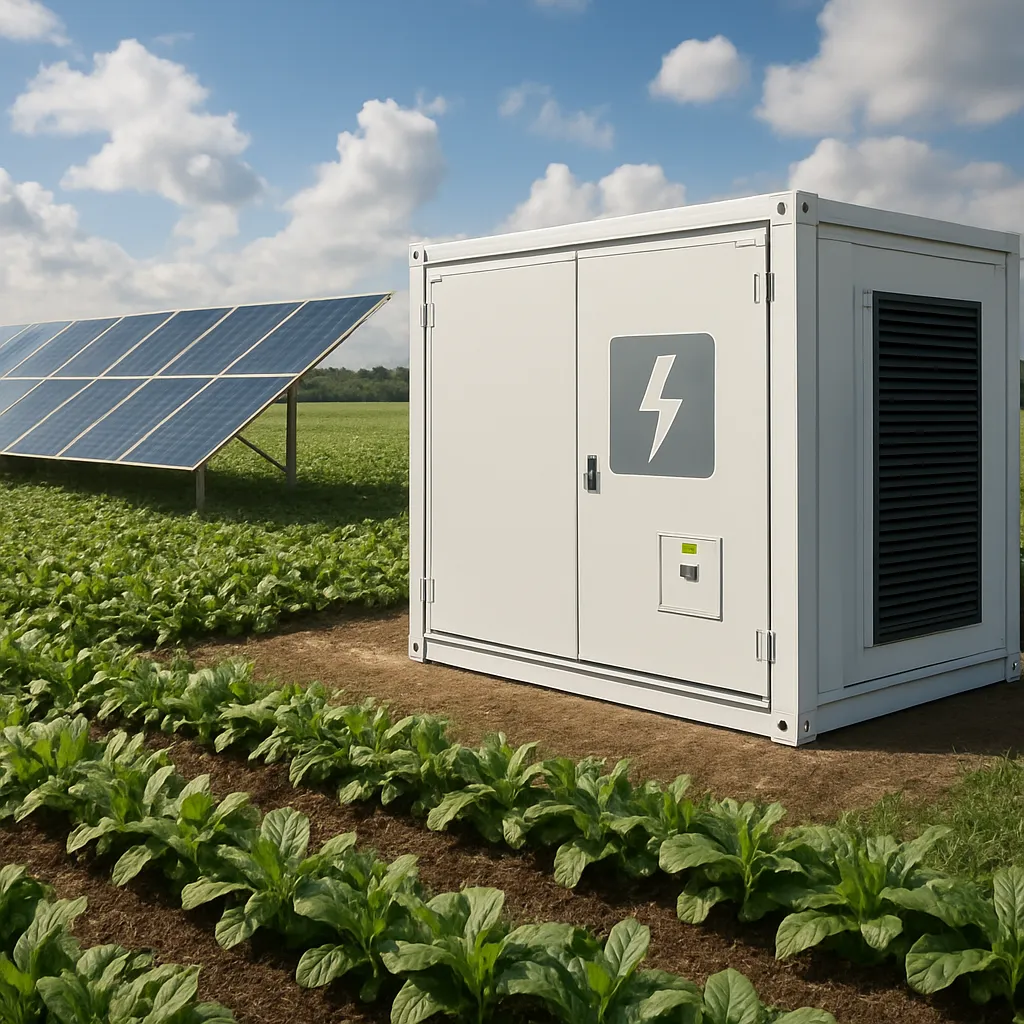
By combining multiple sources into a hybrid setup, farms achieve higher uptime and reduce vulnerability to weather fluctuations. The concept of a microgrid—a localized energy network capable of islanding from the main grid—further enhances reliability. Microgrids with on-site storage can continue powering critical systems like irrigation pumps, climate controls, and lighting even during utility outages, ensuring uninterrupted growth.
Advanced Energy Storage Technologies
Energy storage serves as the backbone of continuous crop growth, smoothing out supply variability and aligning generation with demand. A variety of storage solutions cater to distinct agricultural applications:
Electrochemical Storage: Batteries
- Lithium-ion systems dominate due to high energy density, rapid charge/discharge cycles, and decreasing costs. They are ideal for powering greenhouse lighting and precision irrigation equipment.
- Flow batteries, such as vanadium redox designs, offer long cycle life and scalable capacity. Their modular nature suits large-scale farm installations where multi-hour storage is required.
- Lead-acid batteries remain a cost-effective option for smaller operations, though they require more maintenance and have shorter lifespans.
Companies are developing specialized battery chemistries that tolerate wide temperature ranges, critical for unconditioned farm buildings. Innovations in solid-state electrolytes promise enhanced safety and longevity, further driving adoption in agriculture.
Thermal Energy Storage
In controlled-environment agriculture, temperature regulation is paramount. Thermal storage systems capture heat or cold during off-peak periods and release it when needed:
- Phase-change materials (PCMs) absorb or release latent heat at specific temperatures, stabilizing greenhouse climates overnight.
- Molten salt tanks store solar heat collected by parabolic troughs, supplying warm water or air for seedling propagation.
- Chilled water reservoirs or ice storage systems support evaporative cooling during heat waves, reducing electrical peak loads.
Emerging Solutions: Hydrogen and Compressed Air
Long-duration storage is gaining traction through:
- Green hydrogen production via electrolysis, with on-site storage in pressurized tanks. Hydrogen can be reconverted to electricity via fuel cells or used as a clean-burning fuel for tractors and generators.
- Compressed air energy storage (CAES), where surplus electricity compresses air into underground caverns. The air expands through turbines to generate power when sunlight or wind is low.
These methods bridge seasonal gaps, particularly in regions with extended periods of low renewable output.
Smart Management and Optimization for Crop Growth
Integrating advanced storage hardware is only part of the equation. Intelligent software platforms orchestrate energy flows, maximize efficiency, and reduce waste. Core functions include:
- Real-time monitoring of energy generation, consumption, and storage state-of-charge.
- Predictive scheduling algorithms that align battery charging with low-cost tariff periods.
- Automated demand-response mechanisms that throttle non-essential loads during grid stress.
Machine learning models analyze historical weather data and crop growth patterns, forecasting energy needs for lighting, heating, and irrigation. This level of automation minimizes manual intervention, optimizes resource allocation, and enhances the profitability of intensive farming systems.
Controlled-Environment Agriculture and Sustainable Greenhouses
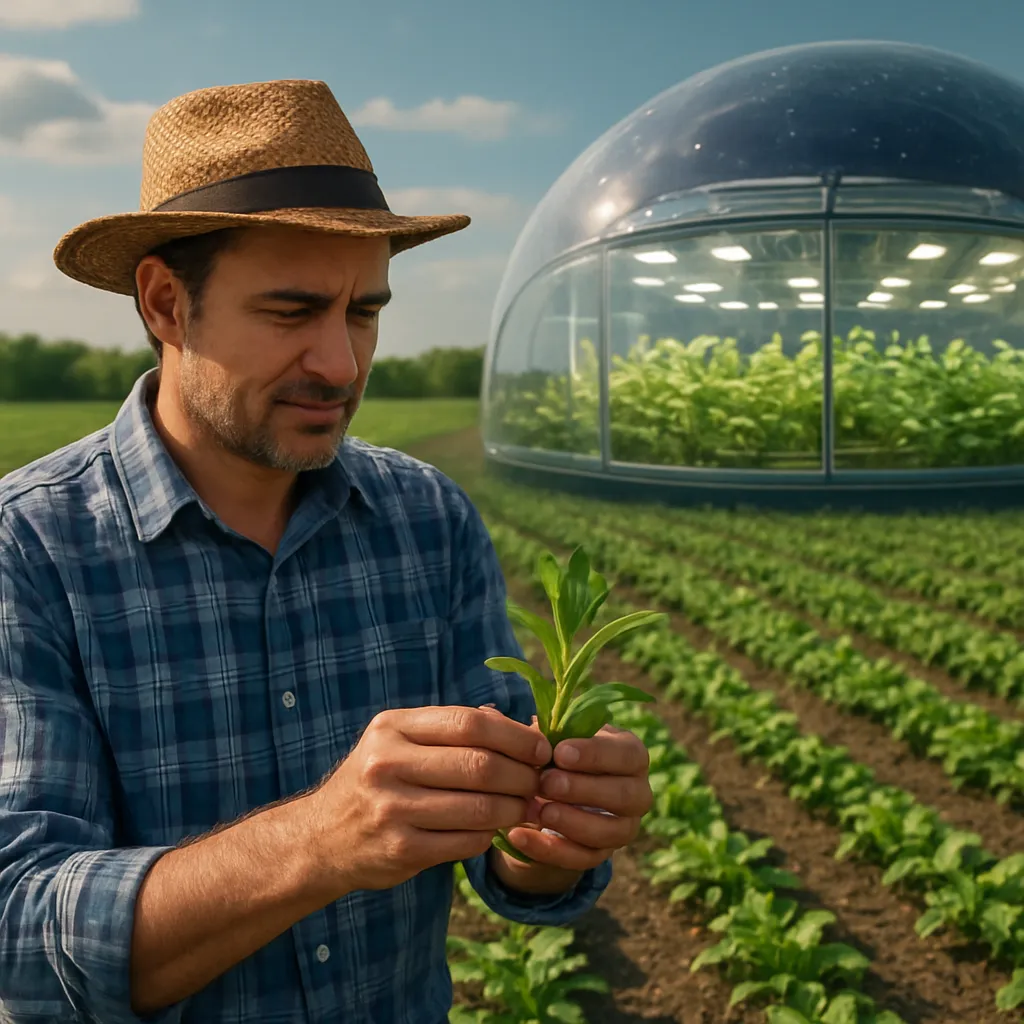
Greenhouses epitomize the convergence of storage technology and precision agriculture. By maintaining ideal temperature, humidity, and lighting, producers achieve multiple harvests annually. Energy storage enables continuous operation of:
- LED lighting rigs that deliver custom spectral recipes for different growth stages.
- Climate control units that heat or cool based on crop requirements.
- Automated nutrient delivery and irrigation pumps driven by real-time sensor data.
Systems that harvest solar energy during the day and deploy stored power at night keep photosynthesis active around the clock. The greenhouse sector is rapidly expanding, fueled by urban agriculture initiatives and vertical farming, where space constraints and energy costs demand integration of every available technology.
Case Studies and Future Prospects
Several pioneering farms illustrate the benefits of advanced energy storage:
- A midwestern vertical lettuce farm employing lithium-ion banks and AI-driven controllers reduced grid dependency by 70% while doubling annual yield.
- A vineyard in southern Europe integrated molten salt thermal storage with solar fields, cutting winter heating costs by 50% and preserving crop quality during cold snaps.
- An arid-region greenhouse complex uses biogas plant output for seasonal power backup, achieving carbon-neutral operations and securing premium market prices for organic produce.
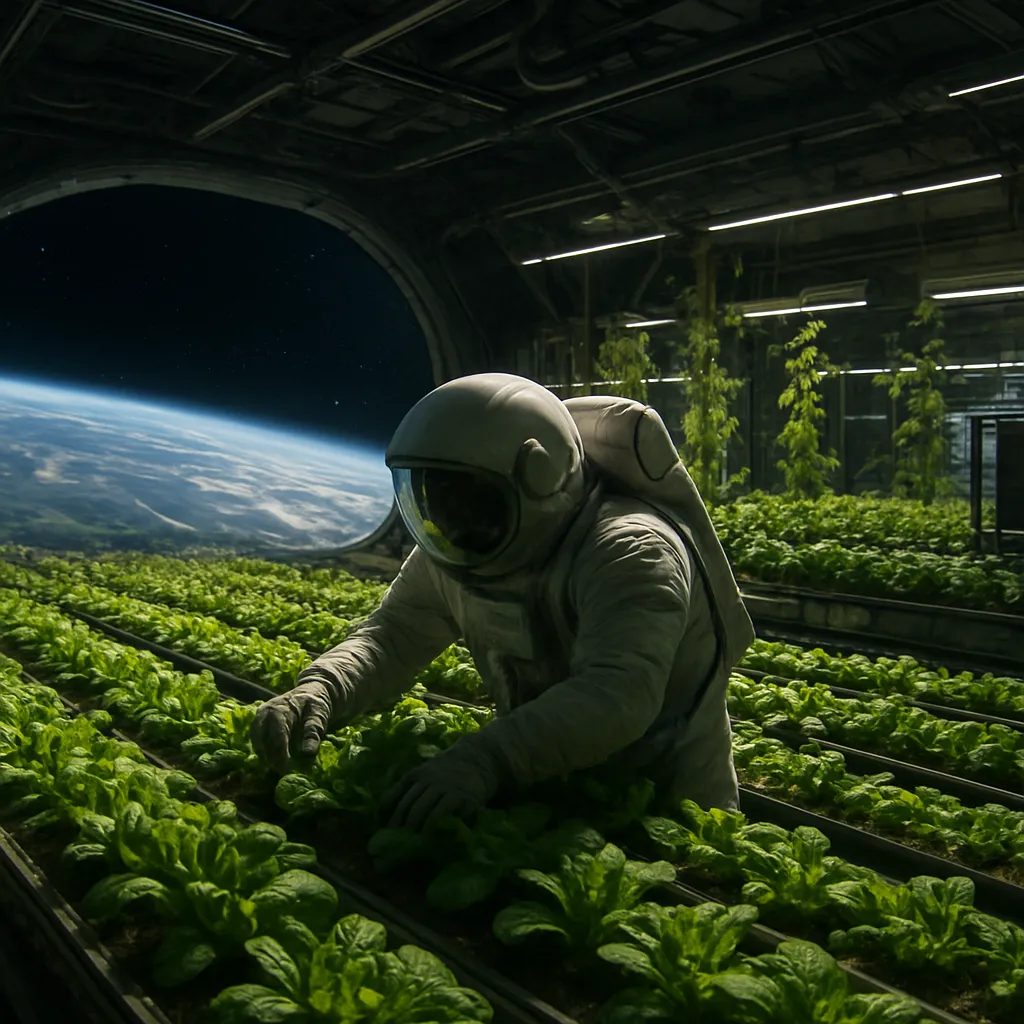
Looking ahead, the marriage of distributed ledger technologies with energy trading platforms could enable farms to sell surplus power back to the grid or neighbor microgrids. Breakthroughs in next-generation storage materials promise even higher energy densities and faster response times. As agriculture moves toward digital transformation, convergence with space-based Earth observation will optimize resource placement, irrigation scheduling, and yield forecasting. Satellite data married with local storage analytics will drive unparalleled precision in crop management.
Conclusion Remarks
Energy storage stands at the forefront of modernizing agriculture for a resource-constrained world. Combining integration of renewable generation, advanced storage devices, and intelligent management systems yields resilient, efficient farming operations capable of supporting continuous crop growth. The ongoing evolution of battery chemistries, thermal systems, and long-duration storage methods opens new pathways for off-grid and grid-tied farms alike. By embracing these technologies, producers can achieve higher productivity, reduced emissions, and sustained profitability in the decades to come.