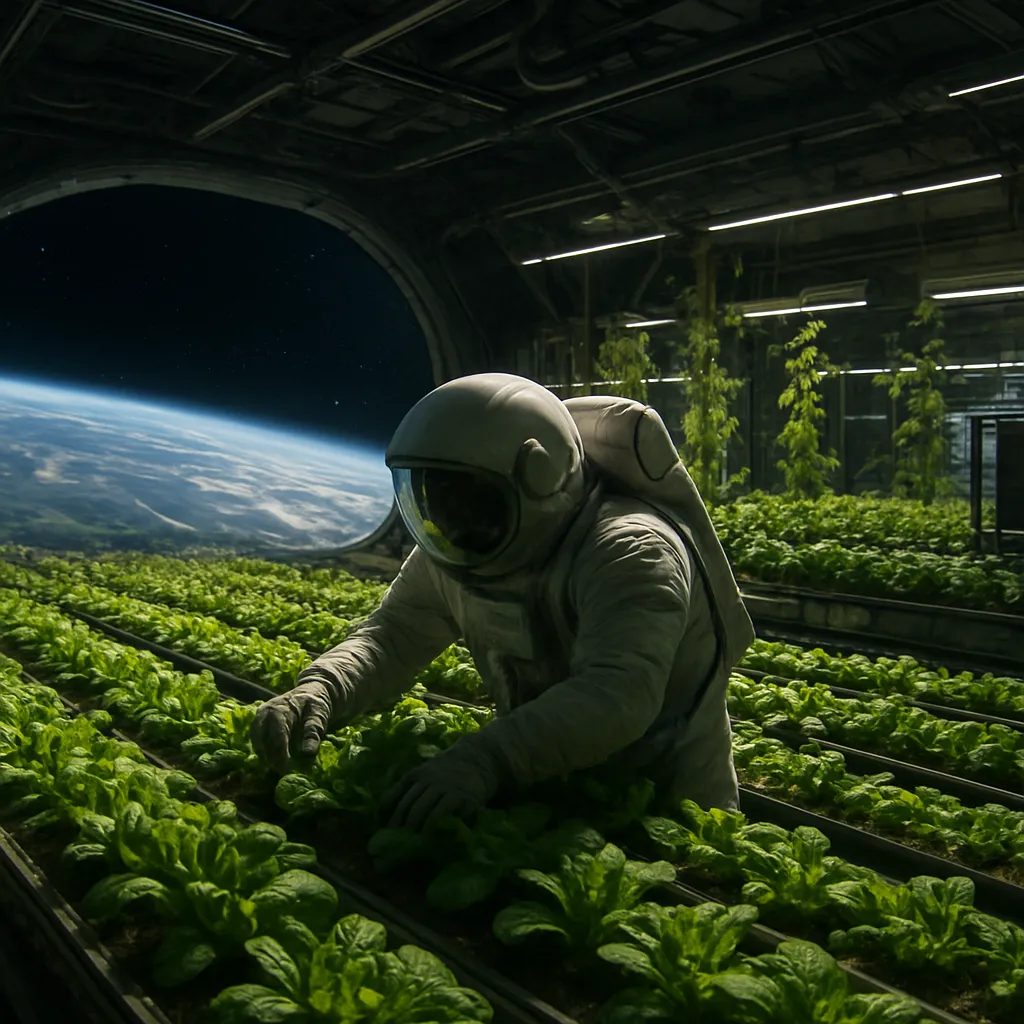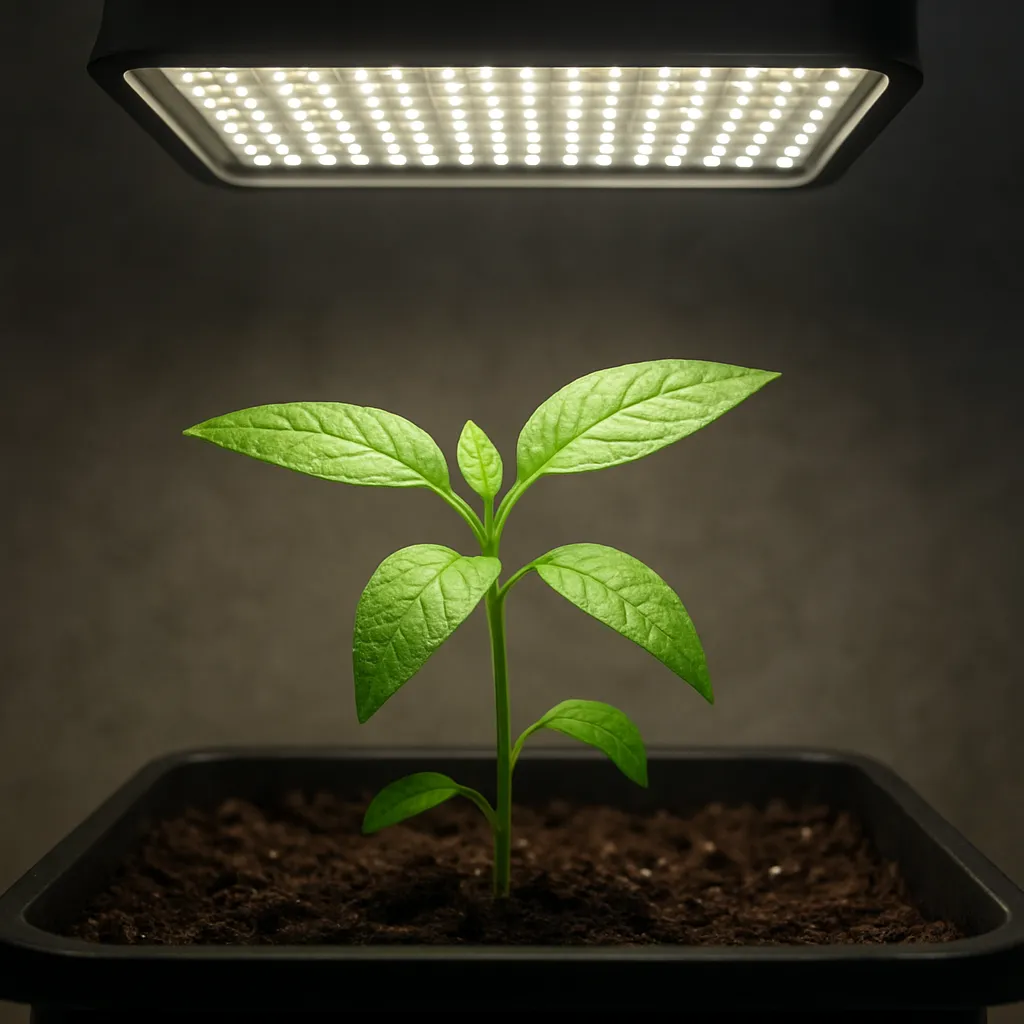
Modern agriculture is experiencing a transformative shift as producers explore the potential of controlled-environment farming to maximize plant growth. By harnessing optimized artificial light sources and innovative cultivation systems, growers can achieve unprecedented efficiency in crop production. This article examines key strategies for enhancing photosynthesis under indoor conditions, focusing on light spectrum design, intensity modulation, and cutting-edge technologies that address the challenges of soilless cultivation.
Principles of Artificial Light in Agriculture
Artificial lighting in agri-space environments involves precise manipulation of light quality, duration, and intensity to drive the physiological processes of plants. Unlike natural sunlight, which varies by latitude, season, and weather, engineered light sources offer constant and customizable conditions, enabling year-round production. The core principles include:
- Light Quality: Tailoring wavelength distribution to match plant absorption peaks in the blue (400–500 nm) and red (600–700 nm) regions, thereby optimizing the activity of chlorophyll and accessory pigments.
- Light Intensity: Balancing photon flux density to avoid photoinhibition while ensuring enough quanta to saturate photosystems for maximum carbon fixation.
- Photoperiod Control: Adjusting the duration of light and dark cycles (photoperiod) to regulate developmental phases such as vegetative growth, flowering, and fruit set.
By applying these parameters, growers can fine-tune the energy input to match crop-specific requirements, reducing waste and operational costs.
Role of LED Technology
Light-emitting diode (LED) systems have revolutionized indoor farming due to their superior efficiency, longevity, and spectral tunability. High-power LED fixtures can be outfitted with distinct chips for blue, red, and far-red wavelengths, enabling dynamic spectrum control. Key advantages of LEDs include:
- Low Heat Output: Minimizing thermal stress on plants and reducing the need for additional cooling.
- Modularity: Configurable panels allow for targeted application across different canopy layers.
- Dimmer Functionality: Adjusting light intensity in real time based on growth stages or sensor feedback.
Emerging hybrid systems that combine LEDs with complementary light sources (e.g., UV-A or green LEDs) are being investigated to further enhance secondary metabolite production and plant morphology.
Light Spectrum Optimization and Photosynthetic Response
Understanding the interaction between light spectrum and plant physiology is critical for achieving high photosynthetic efficiency. Spectral engineering aims to deliver wavelengths that coincide with major absorption peaks of key pigments:
- Blue Light (450 nm): Regulates stomatal opening, leaf expansion, and vegetative vigor.
- Red Light (660 nm): Drives photosystem II, promoting high rates of carbon assimilation and flowering induction.
- Far-Red Light (730 nm): Influences shade-avoidance responses and elongation, useful for crop height management.
By using variable ratios of these bands, cultivators can steer plants toward desired traits such as compactness, increased leaf area, or rapid fruiting.
Adaptive Spectrum Strategies
Advanced lighting controllers now incorporate sensors and algorithms that adjust the spectrum throughout the day, mimicking diurnal patterns. This dynamic approach yields several benefits:
- Stress Mitigation: Gradual ramping of intensity simulates dawn and dusk, reducing photodamage at light transitions.
- Resource Allocation: Nighttime shifts toward far-red enhance respiration and energy mobilization without excess photosynthesis.
- Secondary Metabolite Enhancement: Occasional pulses of UV-A or blue light can trigger the biosynthesis of antioxidants, flavonoids, and other valuable compounds.
Such precision lighting fosters robust plant architecture and can boost nutritional profiles of leafy greens and herbs.
Innovative Technologies and Future Prospects
Beyond LEDs, a new generation of lighting solutions and cultivation platforms is redefining indoor agriculture. Key innovations include:
- Photobioreactors: Closed-loop chambers that integrate photobioreactor technology for microalgae cultivation, achieving high biomass densities and targeted pigment production.
- Machine Learning Integration: AI-driven systems analyze growth metrics and environmental data to optimize light schedules and predict yield outcomes.
- Energy Recycling: Advanced power management recovers and redirects waste heat from LED arrays to maintain ambient temperature, enhancing overall system sustainability.
These developments are driving down energy footprints while boosting throughput, positioning vertical farms and plant factories as competitive alternatives to traditional open-field operations.
Case Studies and Experimental Insights
Recent trials demonstrate the potential of tailored lighting:
- Leafy Greens: Lettuce achieves a 30% increase in leaf area and a 20% faster growth cycle under a mixed red-blue spectrum compared to static white light.
- Tomato Production: Supplemental far-red added to a red-dominant regimen enhances fruit set, improving yield by up to 15% without genetic modification.
- Microalgae: Marine strains grown in photobioreactors under pulsed blue light exhibit a surge in lipid accumulation, promising for biofuels and nutraceuticals.
These case studies underscore how spectrum design and intelligent control systems can transform productivity across multiple crop categories.
Challenges and Research Directions
While the promise of indoor farming is considerable, several hurdles remain:
- Energy Costs: Despite LED advances, electricity remains a substantial expense; integrating renewable sources could mitigate this challenge.
- Species-Specific Responses: Each plant species—and sometimes individual cultivars—responds uniquely to light conditions, necessitating ongoing research into genotype-spectrum interactions.
- Economic Scalability: Transitioning from pilot-scale to industrial volumes requires refined engineering of lighting arrays and cost-effective retrofitting of existing facilities.
Future research is focusing on:
- Spectrum Synergies: Unraveling how multi-wavelength combinations influence gene expression and metabolic pathways.
- Bioengineering Approaches: Developing plant varieties optimized for high-density, lit environments with traits like reduced photoinhibition thresholds and enhanced bioengineering compatibility.
- Integration with IoT: Deploying sensors that monitor photosynthetic performance in real time, enabling fully autonomous light management.
By advancing these areas, agricultural researchers and industry stakeholders pave the way for resilient food systems that are less dependent on climate and arable land availability. The marriage of precise lighting, data analytics, and cutting-edge cultivation techniques offers a compelling vision for the future of sustainable crop production.