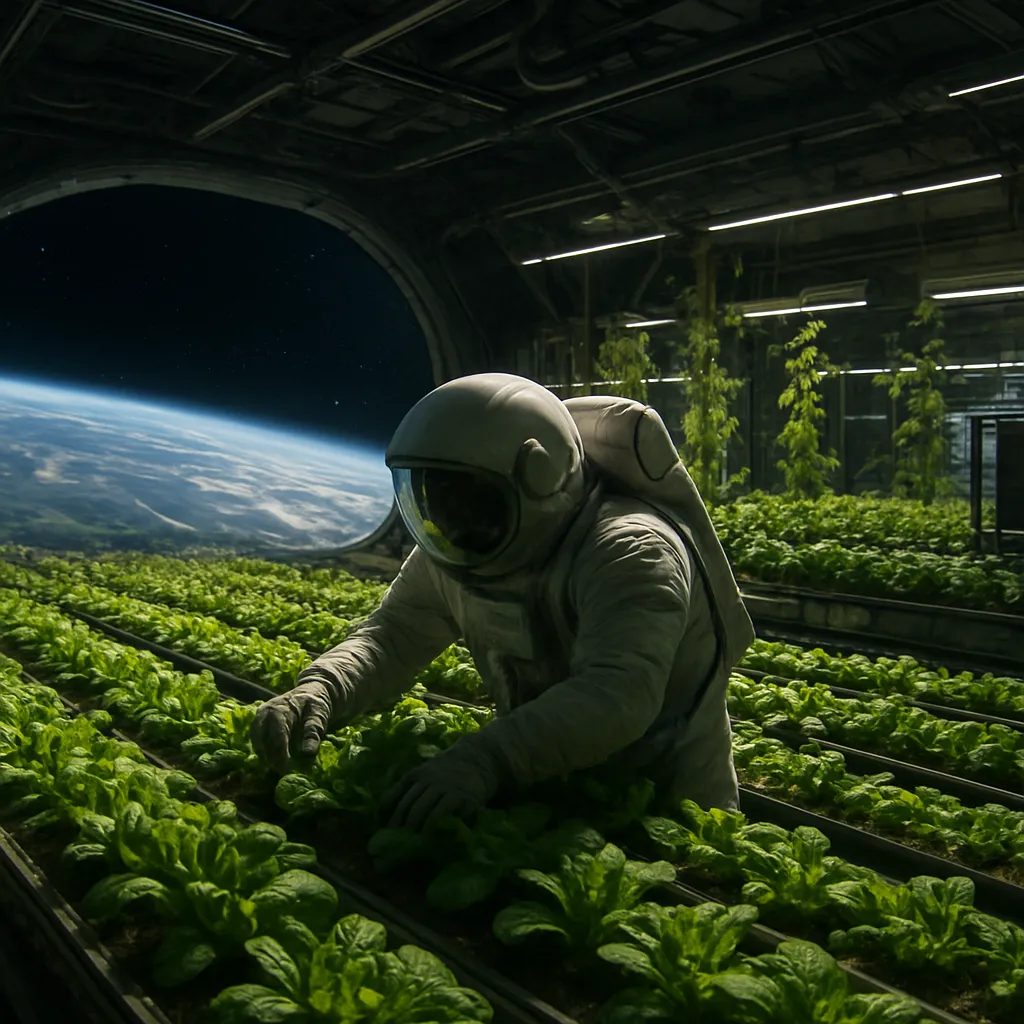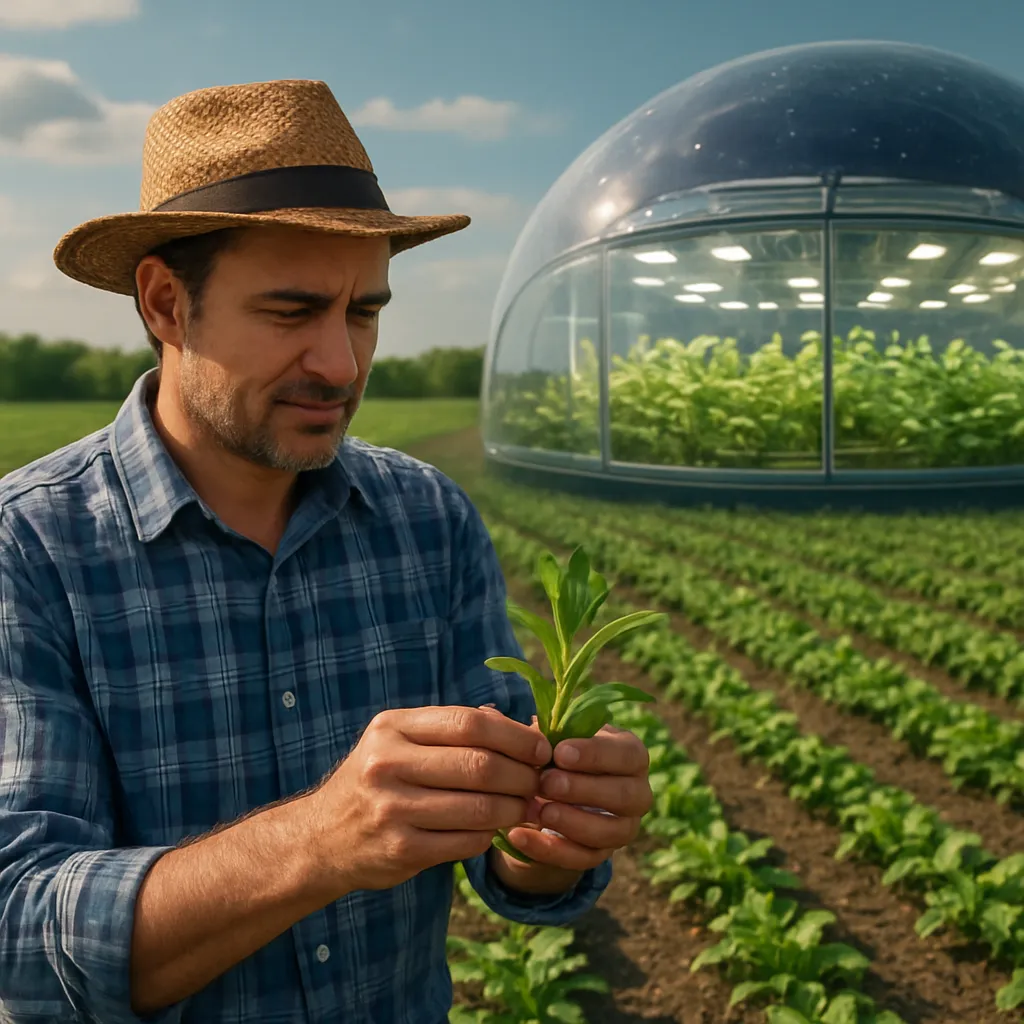
Crafting a comprehensive educational framework for cultivating expertise in extraterrestrial agriculture demands a blend of scientific rigor, hands-on experience, and visionary foresight. Aspiring specialists must master an array of disciplines—from plant physiology and closed-loop life support systems to robotics and resource management—to thrive in off-world environments. This article explores pathways for developing robust training programs aimed at shaping the next generation of space agronomists.
Motivations and Challenges in Space Agronomy Education
The prospect of sustaining human presence beyond Earth’s orbit hinges on our ability to produce food in situ, reducing dependence on costly resupply missions. Cultivating a cadre of professionals versed in space agriculture is therefore essential. However, designing training programs in this nascent field presents unique obstacles:
- Extreme environmental constraints: radiation, vacuum, and microgravity
- Limited availability of analog facilities on Earth
- Integration of diverse knowledge areas such as botany, engineering, and data analytics
- Establishing standardized competency metrics for candidate assessment
Overcoming these hurdles requires a concerted effort to define core competencies and leverage cross-sector collaboration between academia, industry, and space agencies.
Designing an Interdisciplinary Curriculum
Core Scientific Foundations
A robust curriculum must start with strong grounding in plant science, soil chemistry, and physiology. Students should explore advanced topics such as:
- Aeroponics and hydroponics for soilless cultivation
- Photosynthetic efficiency under LED lighting systems
- Bioregenerative life support loops, integrating sustainability principles
Courses should emphasize experimental design and data interpretation within controlled environment agriculture (CEA).
Engineering and Automation Modules
Equally critical are modules covering mechanical and electrical systems. Trainees must become adept at:
- Designing environmental control units (ECUs) for temperature, humidity, and CO₂ regulation
- Implementing robotic solutions for planting, monitoring, and harvesting
- Developing sensor networks and IoT platforms to optimize resource use
Hands-on projects, such as building small-scale growth chambers, reinforce theoretical knowledge with practical skills in automation and system integration.
Data Science and Modeling
Big data plays a pivotal role in maximizing crop yield and system reliability. Key competencies include:
- Statistical analysis of environmental parameters
- Machine learning algorithms for predictive growth modeling
- Visualization techniques for real-time decision support
These skills empower future agronomists to harness large datasets, driving continuous improvement of space-based agricultural operations.
Practical Technologies and Facilities
Bridging theory and practice demands access to specialized facilities that can simulate the conditions encountered in orbital or planetary habitats.
Ground-Based Analog Environments
Analog stations, such as desert greenhouses and polar research labs, allow trainees to experience resource limitations similar to those in space. Programs should incorporate extended field campaigns where participants:
- Manage closed-loop nutrient cycles
- Adapt to communication delays and remote supervision
- Conduct experiments on crop resilience under abiotic stress
Orbital and Suborbital Platforms
Whenever possible, partnership with spaceflight operators can offer microgravity exposure via parabolic flights or International Space Station (ISS) experiments. Key benefits include:
- Understanding plant behavior in true microgravity conditions
- Testing novel cultivation techniques under real spaceflight constraints
- Developing protocols for in situ monitoring and maintenance
These experiences are invaluable for instilling confidence and competence in future practitioners.
Virtual and Augmented Reality Simulators
Advances in immersive technology can replicate the interior of a lunar greenhouse or Martian habitat. VR environments help students:
- Practice emergency procedures and equipment repairs
- Visualize data overlays for crop health assessment
- Collaborate in distributed teams across continents
Such simulators enhance preparedness while minimizing resource consumption.
Implementation Strategies and Future Directions
Successful rollout of space agronomy training demands strategic partnerships and innovative delivery models.
Industry-Academia Collaboration
Bridging the gap between research and application involves co-developing curricula with aerospace firms and agricultural technology startups. Benefits include:
- Access to cutting-edge hardware and software platforms
- Internship and apprenticeship pathways for real-world exposure
- Continuous feedback loops ensuring curriculum relevance
Modular and Online Learning Offerings
To reach a global talent pool, programs should employ flexible, web-based modules covering essential topics such as:
- Life support system design
- Resource optimization algorithms
- Plant growth chamber construction
These offerings can be augmented with virtual labs and peer-to-peer collaboration forums.
Certification and Accreditation
Establishing recognized credentials for space agronomists will foster professional standards and career pathways. Key steps include:
- Defining competency benchmarks in collaboration with space agencies
- Developing assessment frameworks integrating theoretical exams and practical evaluations
- Offering tiered certification from associate to advanced practitioner levels
Accredited programs will ensure consistent quality and facilitate workforce mobility across international missions.
Envisioning the Next Frontier
As humanity sets its sights on sustained lunar bases and Martian colonies, the demand for skilled space horticulturists will skyrocket. By combining rigorous scientific training, immersive technologies, and strong industry partnerships, educational institutions can cultivate professionals equipped to transform barren extraterrestrial landscapes into thriving oases. The era of off-world agriculture beckons, and with carefully designed programs, future agronomists will be ready to answer the call.