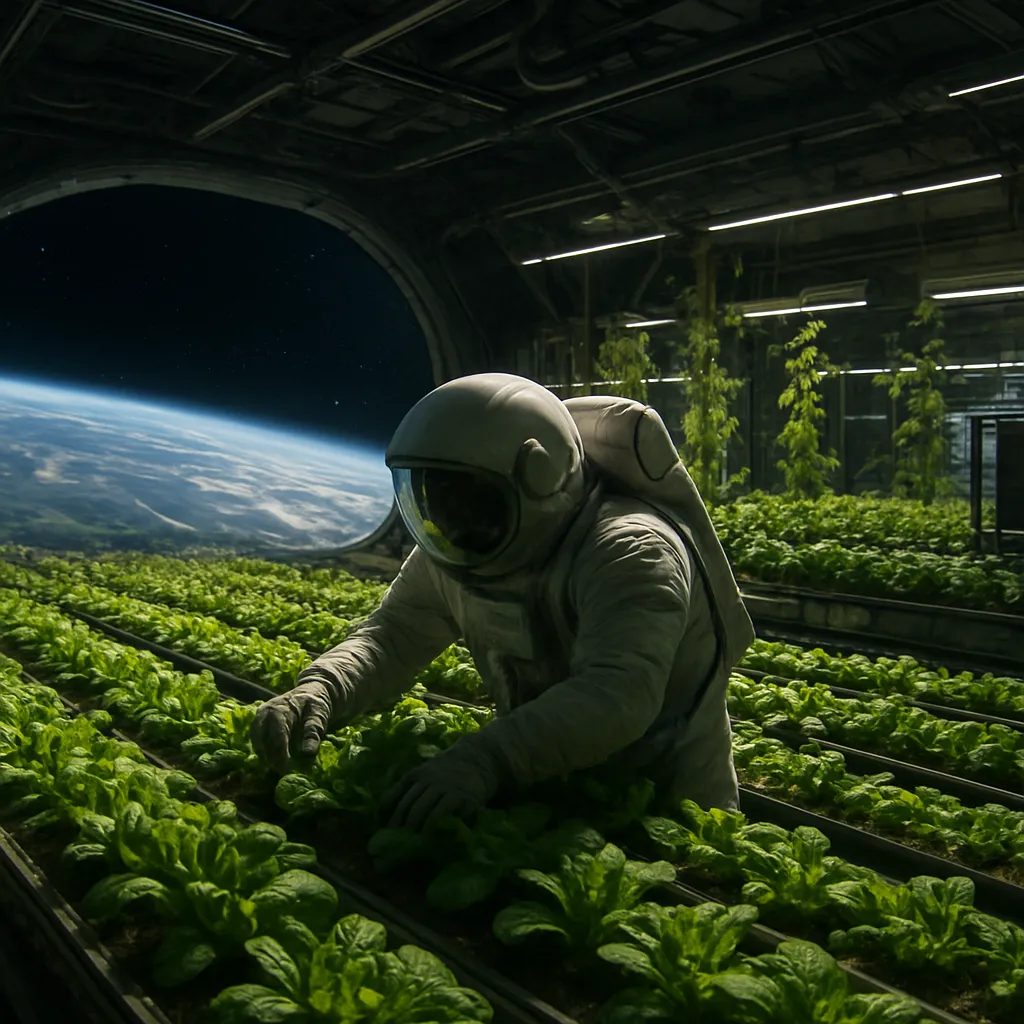
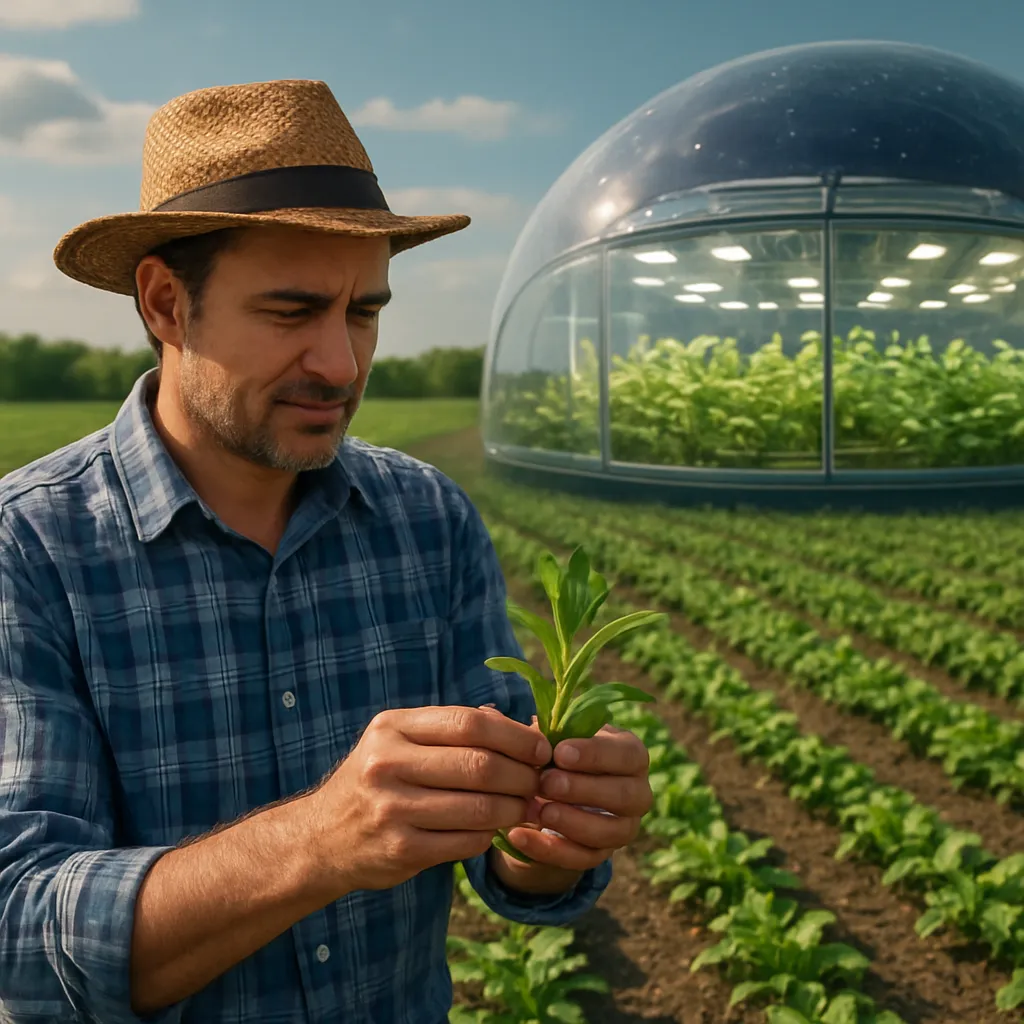
Cyanobacteria have captured the imagination of astrobiologists and space agriculturists as a potent tool for establishing resilient life-support systems on Mars. Their unique biological processes offer pathways to generate essential resources, improve regolith quality, and contribute to long-term colonization efforts. By exploring how these microorganisms can function under Martian conditions, researchers aim to develop self-sufficient habitats that rely on biological cycles rather than constant Earth resupplies.
The Role of Cyanobacteria in Martian Soil Conditioning
The Martian regolith is characterized by low organic content, high perchlorate concentrations, and extreme dryness. Cyanobacteria, due to their ability to survive in terrestrial extreme niches, represent promising candidates for initial bio-conditioning of Martian soil. They can:
- Accumulate biomass that enriches regolith with organic carbon.
- Perform nitrogen fixation to introduce reactive nitrogen species.
- Produce extracellular polymeric substances that improve soil aggregation and water retention.
When inoculated in simulated Martian regolith, certain cyanobacterial strains exhibit the capacity to detoxify perchlorates via reductive pathways, lowering toxicity and facilitating subsequent plant cultivation. Their metabolic versatility underpins their potential as a foundational component of early Martian agricultural modules.
Harnessing Photosynthesis Under Martian Conditions
Light Harvesting and Adaptation
The Martian atmosphere filters solar radiation, providing a spectral distribution different from Earth’s. Recent studies have shown that specific cyanobacterial species possess adaptive mechanisms to optimize photosynthesis under red-shifted light regimes. Through genetic and acclimation responses, they can adjust pigment composition, increasing phycobiliproteins that capture longer wavelengths. This adaptation enhances growth rates in low-light intensity environments, making them ideal for Martian greenhouses.
Radiation Tolerance and Repair Mechanisms
Exposure to high-energy ionizing particles and ultraviolet rays is a key challenge on the Martian surface. Cyanobacteria exhibit robust DNA repair pathways, including efficient photoreactivation and nucleotide excision repair systems. These mechanisms confer remarkable resilience, enabling long-term viability under simulated cosmic rays. Protective compounds like scytonemin and mycosporine-like amino acids act as natural sunscreens, further shielding cellular components.
Bioprocess Engineering and Scale-Up Strategies
Transitioning from laboratory cultures to bioreactors on Mars requires careful design considerations. Closed-loop cultivation systems must maintain controlled temperatures, supply water from in-situ ice mining, and manage gas exchange. Key engineering aspects include:
- Photobioreactor configurations that maximize light exposure while minimizing heat loss.
- Automated nutrient delivery informed by real-time sensor feedback.
- Strategies for harvesting and processing cyanobacterial biomass into usable products.
Advances in genetic engineering have enabled the development of strains with enhanced growth kinetics and stress tolerance. Synthetic biology tools facilitate the insertion of pathways for the production of biofuels, bioplastics, and essential amino acids, reducing dependence on Earth-supplied resources.
Integration with Martian Habitat Systems
Effective synergy between cyanobacterial modules and habitat life support demands a systems-level approach. Potential integrations include:
- Coupling oxygen output from photosynthesis with human respiration streams.
- Recycling carbon dioxide from habitat air into microbial growth chambers.
- Utilizing cyanobacterial waste streams as feedstock for higher plants, establishing a multi-tiered symbiosis.
Water management is critical. Condensed water from habitat humidity can be cycled to photobioreactors, while excess microbial water is reclaimed via advanced filtration. Such closed-loop water economies maximize resource efficiency and support long-term sustainability.
Challenges and Future Directions
While cyanobacteria offer transformative potential, several obstacles remain. The high perchlorate levels in Martian regolith pose detoxification challenges, requiring further optimization of microbial perchlorate reductases. Additionally, low atmospheric pressure and extreme temperature fluctuations necessitate robust bioreactor insulation and adaptive control systems. The scarcity of liquid water underscores the need for efficient water reclamation and ice-mining techniques.
Future research directions include exploring extremophile-derived genetic traits that confer heightened tolerance to desiccation and freeze–thaw cycles. The integration of artificial intelligence for real-time monitoring and adaptive regulation of microbial habitats will improve system resilience. Ultimately, establishing pilot-scale facilities on the Moon as analogs can accelerate the translation of cyanobacterial bioengineering to Martian environments.
Advancing our understanding of these microorganisms not only paves the way for off-world agriculture but also enriches Earth-based biotechnological applications. The journey to cultivate life on Mars begins with the humble yet mighty cyanobacteria, charting a course toward truly interplanetary ecosystems.