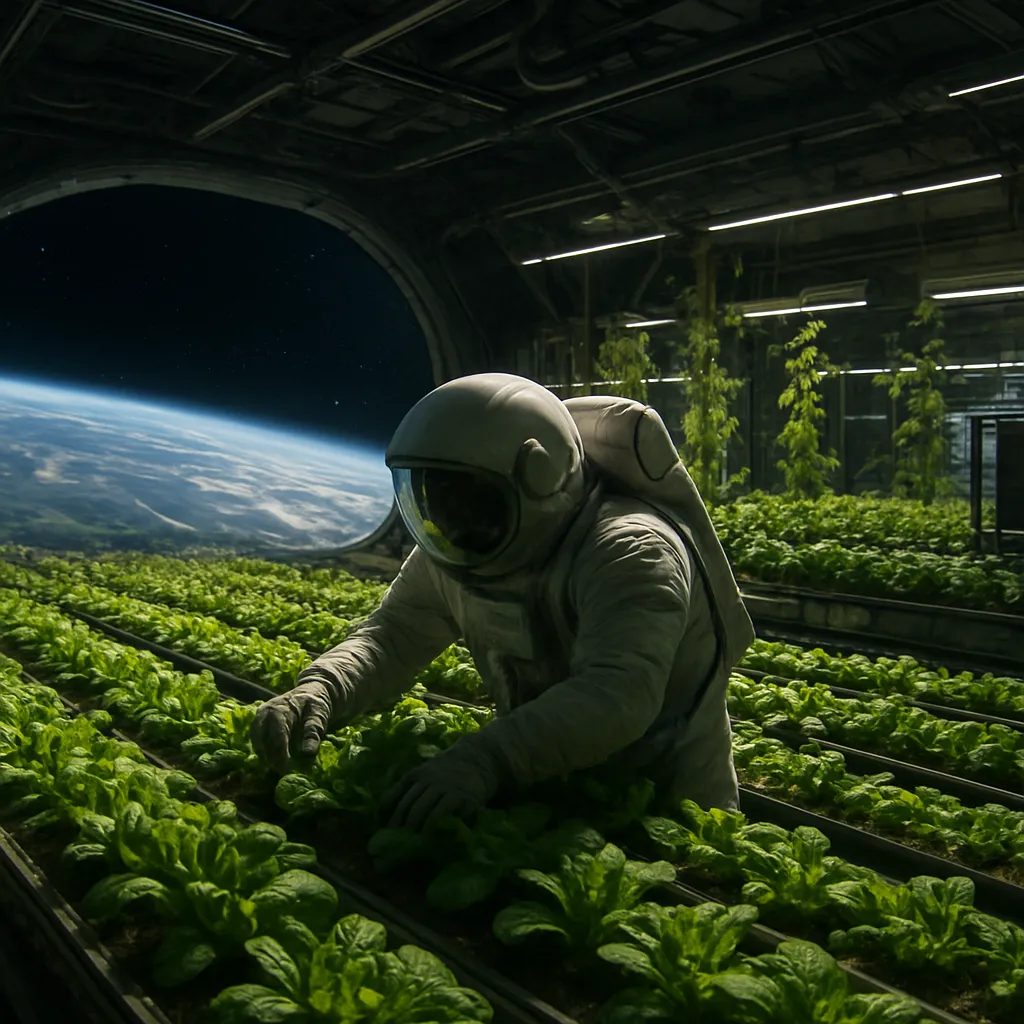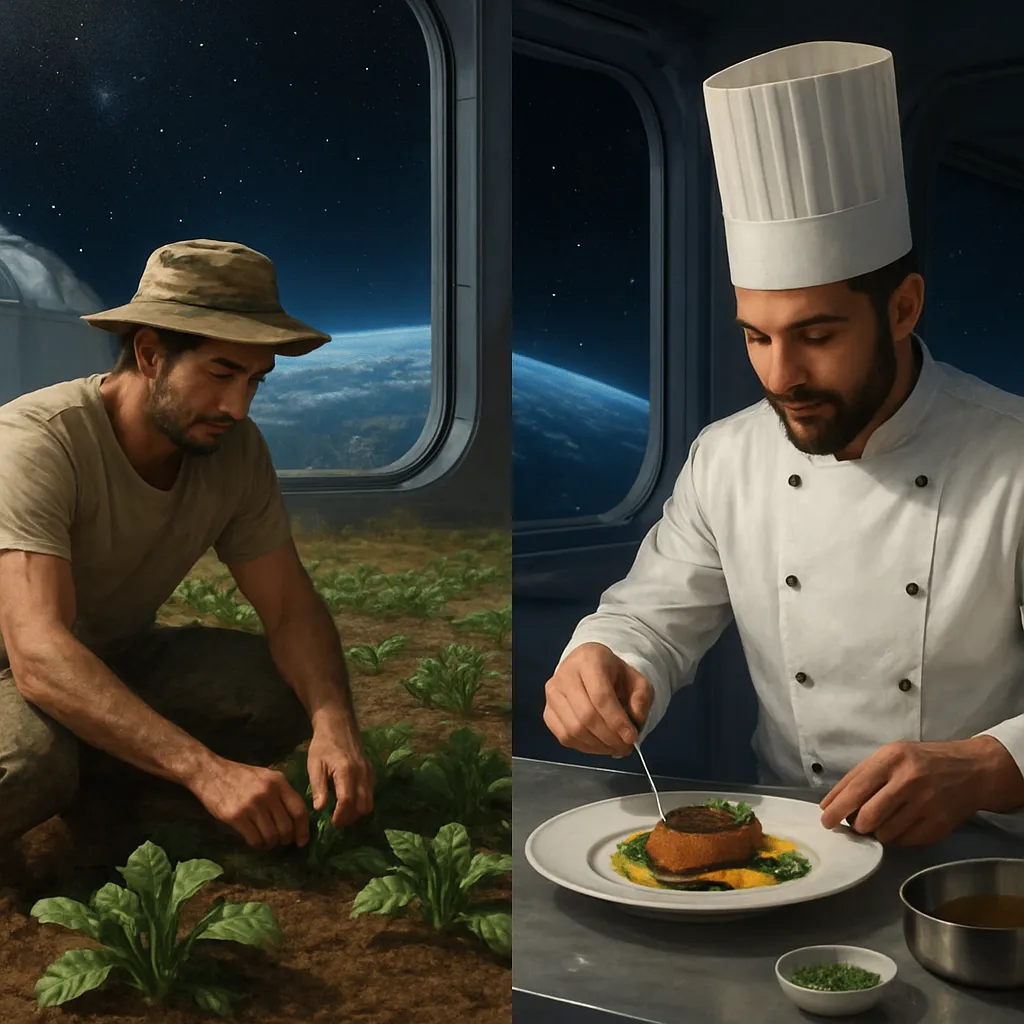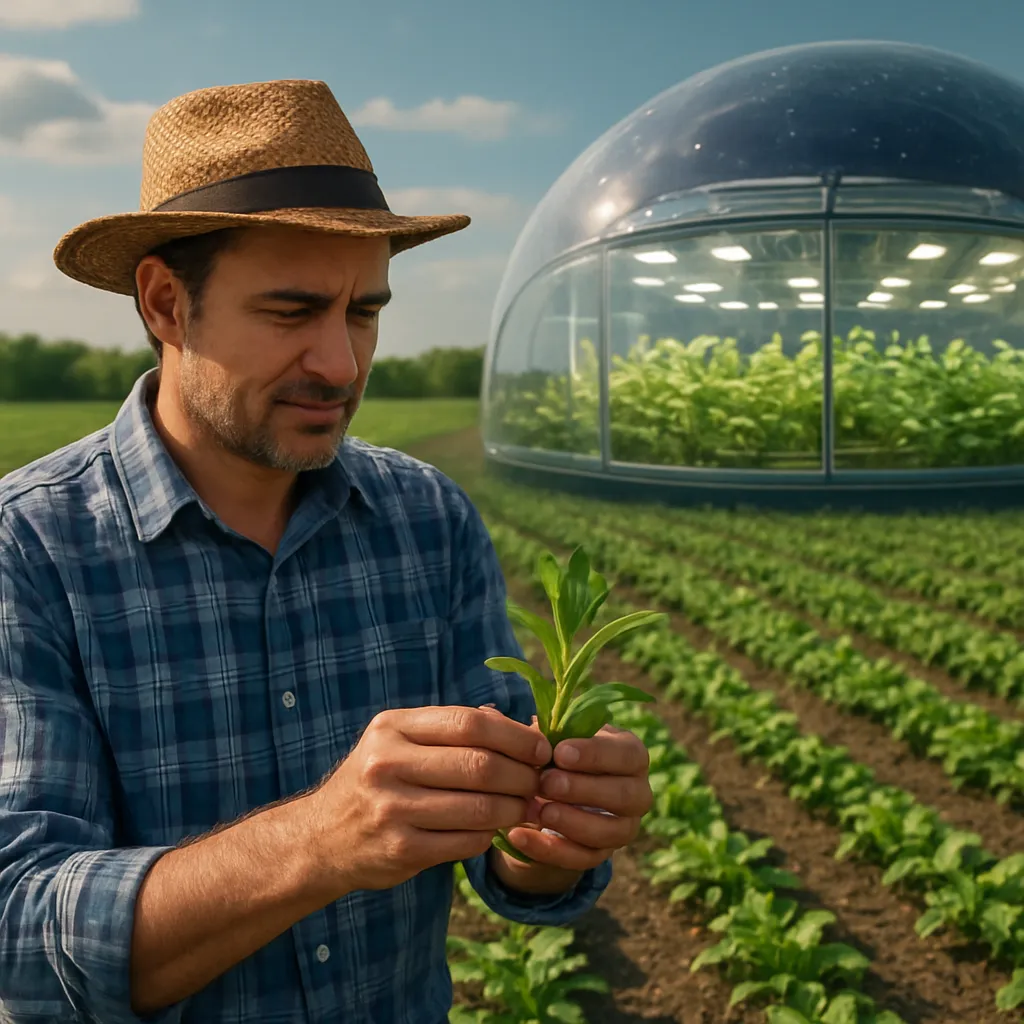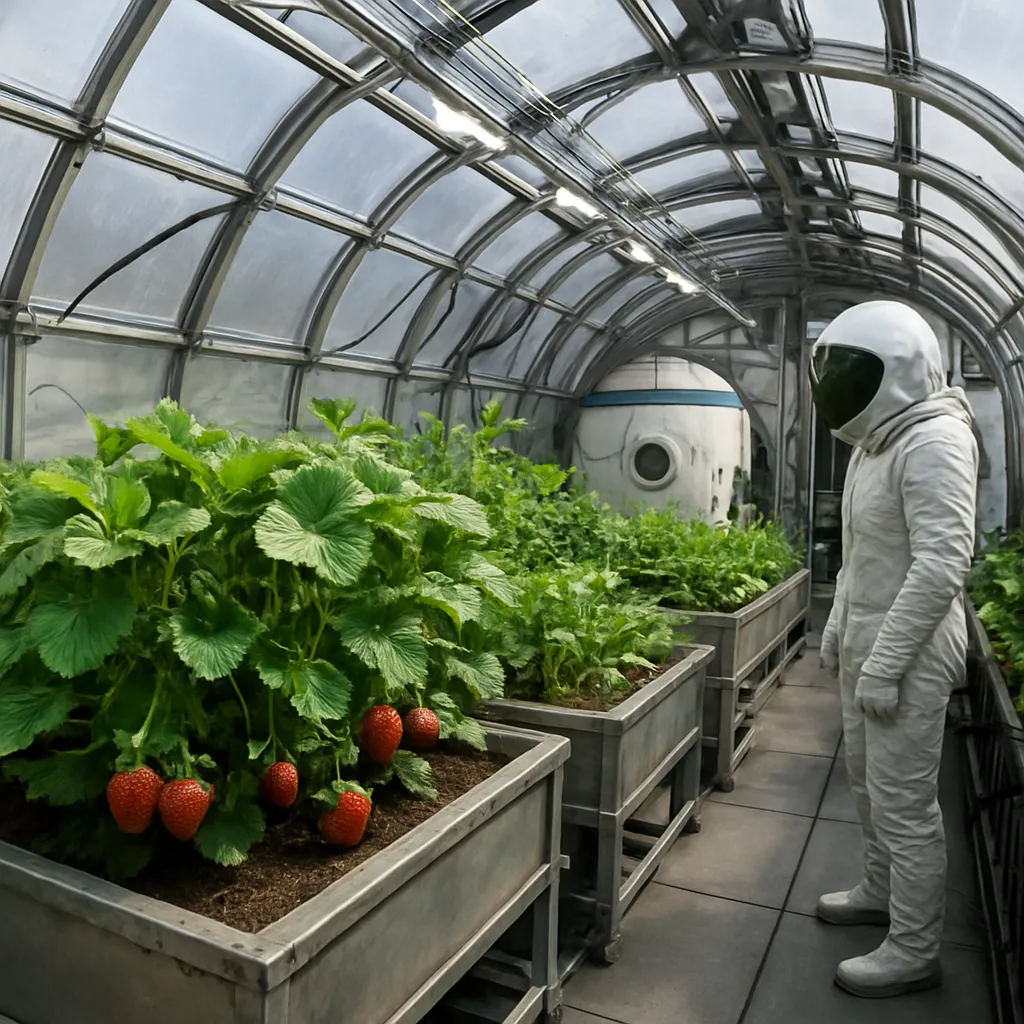
Exploring the intersection of **biomimicry** and advanced horticulture opens new horizons for cultivating plants beyond Earth. By harnessing natural principles refined over millions of years, engineers are designing space greenhouses that can sustain human life on long-duration missions. This article delves into key strategies, from optimizing **photosynthesis** under artificial light to managing **nutrient uptake** in microgravity, and highlights future challenges for extraterrestrial agriculture.
Principles of Bioinspired Design
Nature offers countless examples of elegant solutions to complex problems. Space greenhouse engineers study these strategies to develop systems that maximize **efficiency**, resilience, and self-regulation. Below are three foundational concepts driving current innovations:
1. Phyllotaxis and Light Distribution
The spiral arrangement of leaves—known as phyllotaxis—ensures uniform light interception. By mimicking this pattern, artificial canopy structures distribute LED spectra more evenly, reducing energy waste and enhancing overall crop yield. Modular panels are arranged at geometry-inspired angles to emulate natural leaf orientation, leading to a consistent microclimate throughout the growth chamber.
2. Stomatal Regulation for Atmosphere Control
Plant stomata dynamically balance CO₂ intake and water loss. Implementing stomata-inspired membranes in greenhouse walls allows selective gas exchange, maintaining optimal CO₂ concentration while limiting water vapor escape. This self-regulating barrier reduces the load on mechanical life-support systems and contributes to a closed-loop water recycling approach.
3. Root-Mimicking Nutrient Delivery
In natural soils, roots explore microenvironments to absorb water and minerals. A spaceborne analog uses capillary channels lined with hydrophilic coatings to replicate root hairs, enhancing **nutrient uptake** without gravity. This design ensures uniform distribution of hydroponic solutions, mitigating salt buildup and preventing root hypoxia.
Applications in Space Greenhouse Engineering
Translating bioinspired principles into hardware and protocols has yielded several promising systems. These platforms integrate robotics, sensor networks, and adaptive controls to maintain plant health in the harsh space environment.
Robotic Pollination and Maintenance
In microgravity, pollen does not fall naturally onto pistils. Drawing inspiration from insect proboscis motion, engineers have developed micro-actuated pollinators that gently brush flowers, ensuring fruit set in crops like tomatoes and peppers. Remote-controlled manipulators also prune and harvest, emulating the dexterity of human hands while operating in confined habitats.
Photobioreactor Hybrids
Photobioreactors used for algae cultivation have been combined with soil-less plant beds to create dual-purpose bioregenerative units. These hybrids harness the fast growth rate of microalgae for oxygen generation and carbon fixation, while concurrently supporting leafy greens. By optimizing light wavelengths for two biotic assemblies, such systems achieve high volumetric **efficiency** of biomass production.
Energy Harvesting from Plant Physiology
Some space greenhouse prototypes integrate piezoelectric films that capture micro-movements from stomatal openings and vibrations in the plant vascular tissue. This biomechanical energy supplements onboard power, establishing a small-scale, plant-driven generator that underscores true adaptation of biological processes for human utility.
- Modular growth units with interchangeable crop trays
- Sensor arrays monitoring pH, EC, and humidity in real time
- AI-driven feedback loops for automated nutrient dosing
- Radiation-shielded enclosures mimicking lunar regolith properties
Case Study: Lunar Greenhouse Prototype
The lunar greenhouse prototype employs a multi-layer film inspired by cactus epidermis, reducing thermal loss while filtering harmful UV. Within, a network of nutrient corridors, patterned after mycorrhizal networks, balances water and mineral transport across plant communities. Notable achievements include:
- 80% reduction in irrigation volume compared to traditional hydroponics
- Continuous harvest of leafy greens every 15 days
- Stable CO₂ levels maintained via integrated microalgae chambers
Future Directions and Challenges
Despite impressive progress, several hurdles remain before space greenhouses become routine fixtures on Mars or orbital habitats.
Scaling Up Under Microgravity
While small modules demonstrate feasibility, larger installations must address fluid dynamics without gravity. Ensuring uniform **photosynthesis** and nutrient flow across extended decks remains a primary engineering challenge, necessitating novel microfluidic arrays and advanced simulation models.
Integration with Life Support Systems
Full integration requires plants to fulfill a significant fraction of crew oxygen needs and food supply. This goal demands precise modeling of stomatal conductance and respiratory rates across diurnal cycles, coupling greenhouse outputs with cabin environmental control to maintain homeostatic balance.
Genetic Adaptation for Space Conditions
Selective breeding and CRISPR-based editing could yield crops with enhanced tolerance to radiation and delayed senescence in microgravity. Identifying gene networks responsible for stress resilience will be critical for creating “space-ready” cultivars that thrive under reduced atmospheric pressure and varied light spectra.
By continually refining bioinspired architectures and integrating multidisciplinary insights—from plant physiology to robotics—engineers move closer to realizing self-sustaining greenhouses beyond Earth. Such systems not only support human exploration but also offer valuable lessons for optimizing agriculture on our home planet.